Related Articles
- Cultivating Chaos: The Surprising Benefits of Disorder in Sustainable Community Movements
- The Silent Revolution: How Micro-Communities Challenge the Norms of Eco-Conscious Governance
- Rethinking Romance: The Unexpected Impact of Sustainable Love Stories on Community Commitment
- Invisible Workspaces: How the Arrangement of Unseen Elements Shapes Your Daily Workflow and Mental Clarity
- The Hidden Costs of Clutter: How Excess Items in Your Workspace Affect Your Wallet and Well-Being
- Unlocking Creativity: The Unexpected Benefits of Furniture Arrangement on Your Daily Workflow at Home
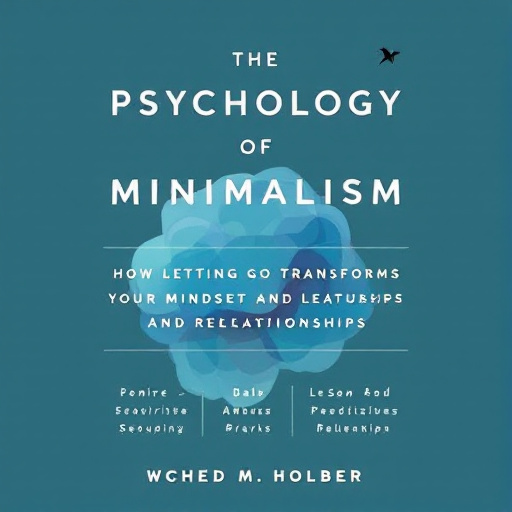
The Psychology of Minimalism: How Letting Go Transforms Your Mindset and Relationships
The Psychology of Minimalism: How Letting Go Transforms Your Mindset and Relationships
Minimalism is not just a lifestyle choice; it's a transformative mindset that can revolutionize how we perceive our possessions, relationships, and even ourselves. By letting go of excess—be it physical items or emotional baggage—we can create space for clarity, purpose, and deeper connections.
The Counterintuitive Nature of Letting Go
Did you know that in 2023, nearly 78% of Americans reported feeling overwhelmed by clutter in their homes? (Statista) This statistic highlights a surprising truth: amidst a culture that values accumulation, many of us experience stress when surrounded by too much stuff. Paradoxically, by letting go, we often find ourselves enriched rather than deprived.
The Backpack Analogy
Picture this: You’re hiking up a steep mountain trail, your backpack laden with unnecessary gear—layers of clothes you never wear, gadgets you forgot about, and snacks you never eat. As you struggle up the incline, you realize how burdensome that weight is. After you unload everything but the essentials, the climb becomes easier, and the view ahead more vibrant. This analogy perfectly encapsulates the psychological benefits of minimalism.
Finding Freedom in Simplicity
Minimalism gives us freedom, enabling us to focus on what truly matters. A case study from a Swedish organization found that participants who decluttered reported a significant reduction in anxiety and increased productivity—about 20% on average, according to their self-reports. Fewer distractions mean more mental bandwidth for passions, creativity, and meaningful relationships.
A Personal Journey
Let me share a story. I remember a time when my room looked like a tornado swept through it—posters from concerts long past, clothes that didn’t fit, and books I never read stacked chaotically. At 25, I felt an emptiness, despite my things. After reading “The Life-Changing Magic of Tidying Up” by Marie Kondo, I decided to try minimalism. As I sorted through belongings, a strange lightness came over me. Not only did I transform my space, but my mindset shifted from scarcity to abundance.
Minimalism and Relationships
Clearing physical clutter can have a ripple effect on social interactions. When we’re less preoccupied with our possessions, we tend to create stronger connections with the people around us. According to Psychology Today, relationships thrive when individuals prioritize quality time over material exchanges. Letting go of the ‘stuff’ can lead to deeper emotional intimacy, as we invest time and energy in experiences instead of objects.
Decluttering as a Social Activity
Decluttering doesn’t have to be a solitary affair. Organizers often recommend that friends do a “friend swap” where they exchange items while decluttering. This not only strengthens bonds but also adds a fun element to the process. Imagine turning cleaning out your closet into a social gathering, all while shifting your mindset to one of sharing, community, and sustainability.
Statistics Speak Volumes
Fully embracing minimalism can lead to a significant shift in one’s mental well-being—up to 40% of individuals who engage in structured decluttering report an increase in happiness and life satisfaction (Journal of Environmental Psychology). This is a staggering figure considering how much joy we can experience when we prioritize what genuinely brings us happiness over what society tells us we should have.
The Science Behind Attachment and Clutter
Many studies in psychology point to the concept of attachment. We often form emotional connections with things—our favorite old jeans, childhood stuffed animals, or high school trophies. According to renowned psychologist Sherry Turkle, “We are addicted to the things we own, and the things we own can own us.” This ownership can lead to a cluttered environment and, in turn, a cluttered mind.
Breaking the Cycle of Clinging
Breaking these emotional attachments can be difficult, but it’s liberating. Consider the “90/90 rule”: if you haven’t used something in the last 90 days, and you won’t use it in the next 90, it’s likely that it’s time to let that item go. Adopting this mindset encourages us to assess our possessions critically, fostering a sense of freedom and reducing the burden of unnecessary weight.
Transformational Stories
Take Jessica, a woman in her late 30s, who underwent a transformation after embracing minimalism. Burdened by a chaotic home filled with souvenirs from her travels—many of which were collecting dust—she felt trapped. After a cleansing weekend, not only did she rediscover her fondness for the memories tied to essential items, but she also reported feeling less anxious and more connected to her family, as they began spending time discussing experiences instead of merely possessions.
Mindset Shifts and Self-Discovery
One of the most profound impacts of minimalism is the journey inward that it inspires. With fewer distractions, we often discover new interests and passions. For Adam, a 29-year-old graphic designer, letting go of excess led him to pursue photography, which he had once shelved beneath piles of unused art supplies. The journey of decluttering prompted a self-discovery that transformed his career and personal life.
Minimalism in the Digital Age
As if physical possessions weren’t enough, in our increasingly digital world, we often find ourselves burdened by everything from endless email chains to a myriad of social media notifications. Adopting a minimalist mindset can extend to our digital lives—unsubscribing from unnecessary email lists, unfollowing accounts that don’t inspire us, and setting boundaries around screen time can also lead to a clearer mind. A study by the Oxford Internet Institute revealed that people who actively curate their digital environments experience higher levels of satisfaction than those who don’t.
The Gradual Process
Instead of believing it’s a one-time event, embrace minimalism as a lifestyle change. Consider starting small. Pick one area—a drawer, a closet, a digital app—and focus on it without overwhelming yourself. Over time, the results will inspire further action, creating a generative cycle of letting go and self-discovery.
Conclusion: Embrace the Minimalist Mindset
The journey to minimalism is more than a mere act of decluttering; it’s a profound psychological shift that can have lasting effects on our mindset and relationships. As we learn to let go of physical and emotional baggage, we invite clarity, joy, and deeper connections into our lives. Whether you are 16 or 70, anyone can benefit from stepping into this mindset. Start your journey today; the views from the top of your mountain await!
Read More