Related Articles
- Cultivating Chaos: The Surprising Benefits of Disorder in Sustainable Community Movements
- The Silent Revolution: How Micro-Communities Challenge the Norms of Eco-Conscious Governance
- Rethinking Romance: The Unexpected Impact of Sustainable Love Stories on Community Commitment
- Invisible Workspaces: How the Arrangement of Unseen Elements Shapes Your Daily Workflow and Mental Clarity
- The Hidden Costs of Clutter: How Excess Items in Your Workspace Affect Your Wallet and Well-Being
- Unlocking Creativity: The Unexpected Benefits of Furniture Arrangement on Your Daily Workflow at Home
The Surprising Role of Nostalgia in Clutter: Letting Go of Memories Without Losing Yourself
The Surprising Role of Nostalgia in Clutter: Letting Go of Memories Without Losing Yourself
Nostalgia can be a powerful driver behind our attachment to clutter, often masquerading as cherished memories. Understanding how to navigate this emotional landscape can help us let go of physical objects without losing the essence of who we are.
Understanding Nostalgia
Nostalgia is a complex emotional experience that can be both comforting and confining. According to a 2010 study published in the journal Psychological Science, nostalgia can enhance mood and increase feelings of social connectedness. However, this same longing can lead us to hold onto items that no longer serve us but instead tether us to the past.
Statistics on Clutter
If you're like most people, you might be living amidst clutter. In fact, studies indicate that 80% of the items we keep are never used. This statistic highlights how clutter can invade our lives, often linked to items associated with nostalgic memories. But do you really need to keep the sixth-grade science project that’s been in the basement for over a decade?
The Emotional Tug of Clutter
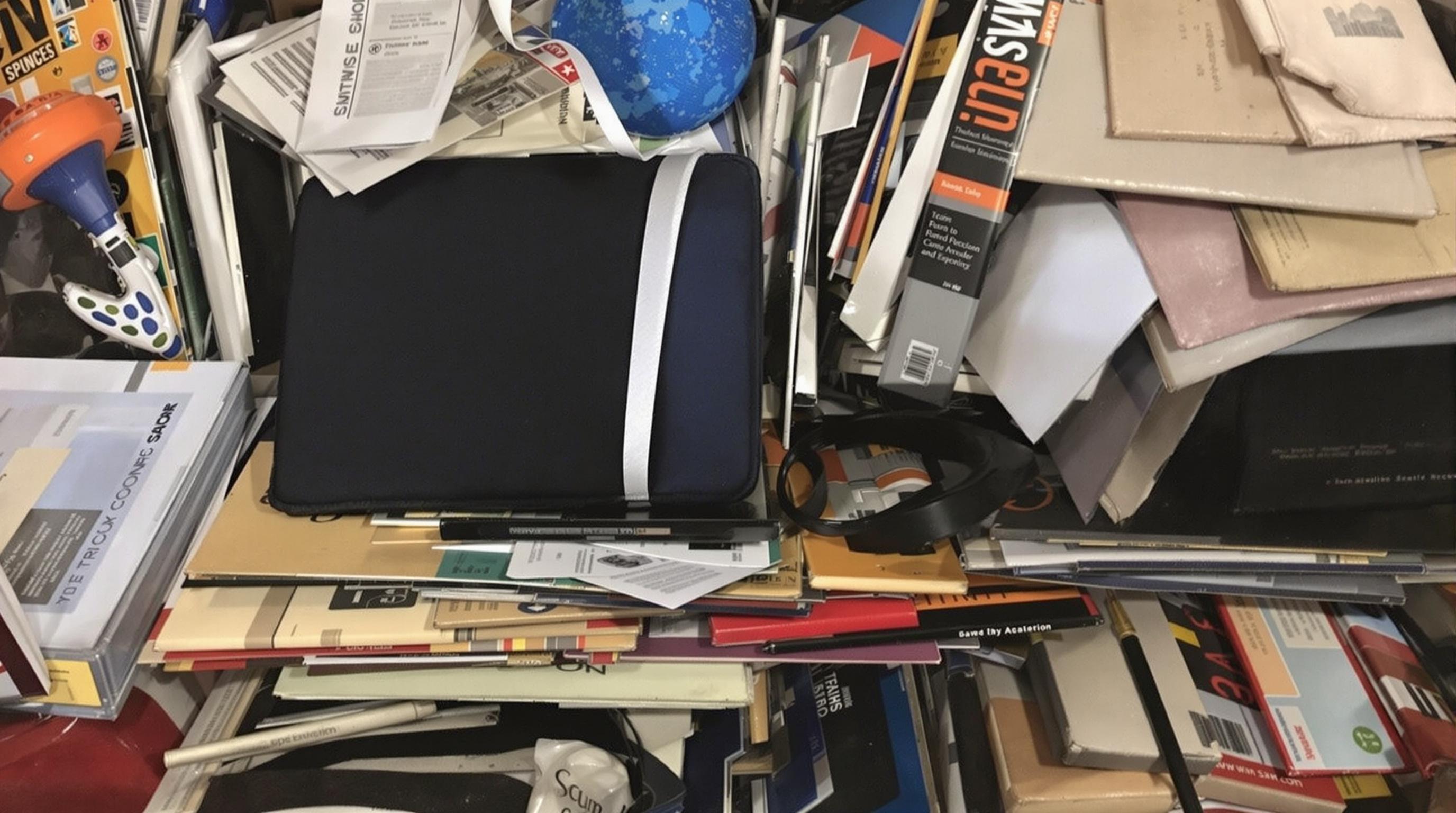
The emotional connection to our possessions can be likened to a safety blanket. For many, items like old concert tickets, family heirlooms, and even mundane objects become repositories of memories—a physical form of nostalgia. It's not just about what these objects represent; they carry the weight of experiences and feelings we associate with our past selves.
Case Study: The Clutter-Collector
Take the case of Susan, a 34-year-old teacher. Her attic was bursting with boxes filled with memorabilia from her childhood and early adulthood. It wasn't until a friend pointed out that she had forgotten about most of these items that she started questioning whether those memories could exist independently of the objects. Her journey of decluttering not only liberated her physical space but also her psyche, allowing her to rediscover herself without feeling like she was losing her past.
The Value of Letting Go
Research suggests that letting go of clutter—especially items tied to nostalgia—can provide mental clarity. According to a 2017 article in the journal Environment and Behavior, individuals who decluttered experienced significant reductions in stress and anxiety levels. So, why not consider that old batik dress you haven’t worn since prom as a space for new memories rather than a reminder of times gone by?
Practical Steps to Let Go
Here are some steps to help you navigate the clutter and the nostalgic memories tied to it:
- Identify sentimental items: Recognize which items genuinely hold emotional weight and which are simply relics of the past.
- Limit the number of keepsakes: Perhaps select a few key items to display or use, rather than holding onto everything associated with the past.
- Create a memory box: Choose a box to store items that evoke memories but don't physically clutter your living space.
- Digitize the past: Take pictures of items before you let them go. This way, the memory survives in digital form without taking up physical space.
A Time to Reflect
As you work through your belongings, take time to reflect on the emotions each item evokes. Ask yourself if the memories they conjure are worth the physical space they occupy. Sometimes, simply acknowledging and reminiscing about the past can provide closure without holding onto the physical object.
Humor in Decluttering
Let’s face it; we all have that one pair of jeans from high school that no longer fits but somehow serves as a badge of honor—a nostalgic trophy of youth! If you ever find yourself thinking, “Well, I might wear them again someday,” remember: the jeans were a bad idea when you were sixteen, and it certainly isn't a great idea now!
Finding New Memories
Instead of seeing letting go as depriving yourself of memories, consider it an act of self-care and an opportunity to make space for new experiences. Imagine the room you could free up for new adventures, relationships, and hobbies! You can often find that holding onto less allows you to embrace more—more experiences, more joy, and more clarity.
Delving into Different Perspectives
Remember that nostalgia is not inherently negative, but it can sometimes trap us in cycles of collecting and hoarding. Various philosophies and cultures around the world encourage people to respect the past while celebrating the present. In Japanese culture, the concept of wabi-sabi embodies the beauty of imperfection and transience, often reminding us to cherish the here and now rather than clinging to every artifact of memory.
Building Community Ties
Decluttering doesn’t have to be a solitary journey. Joining community groups focused on minimalism or sustainability can inspire you to reevaluate your possessions in a supportive environment. These groups often swap items, share decluttering tips, or even engage in shared experiences, reinforcing that memories can be born from connections, not just possessions.
The Road Ahead
As you navigate your own relationship with nostalgia and clutter, remind yourself of how much you’ve grown since the days when some of these items shaped your identity. Life is about evolution; the past is a part of you, but it doesn't define who you can become. Letting go of physical items associated with memories doesn't erase history; it offers you the chance to embrace the future wholeheartedly.
A Final Thought
As a 25-year-old aspiring minimalist, I’ve come to view clutter as merely a metaphor for what I choose to carry forward. Embracing change while cherishing memories can lead to a fuller, freer life. So, take a deep breath, grab that box of mementoes, and allow yourself to experience the lightness that follows when you detach from the physical weight of nostalgia.
Read More