Related Articles
- Cultivating Chaos: The Surprising Benefits of Disorder in Sustainable Community Movements
- The Silent Revolution: How Micro-Communities Challenge the Norms of Eco-Conscious Governance
- Rethinking Romance: The Unexpected Impact of Sustainable Love Stories on Community Commitment
- Invisible Workspaces: How the Arrangement of Unseen Elements Shapes Your Daily Workflow and Mental Clarity
- The Hidden Costs of Clutter: How Excess Items in Your Workspace Affect Your Wallet and Well-Being
- Unlocking Creativity: The Unexpected Benefits of Furniture Arrangement on Your Daily Workflow at Home
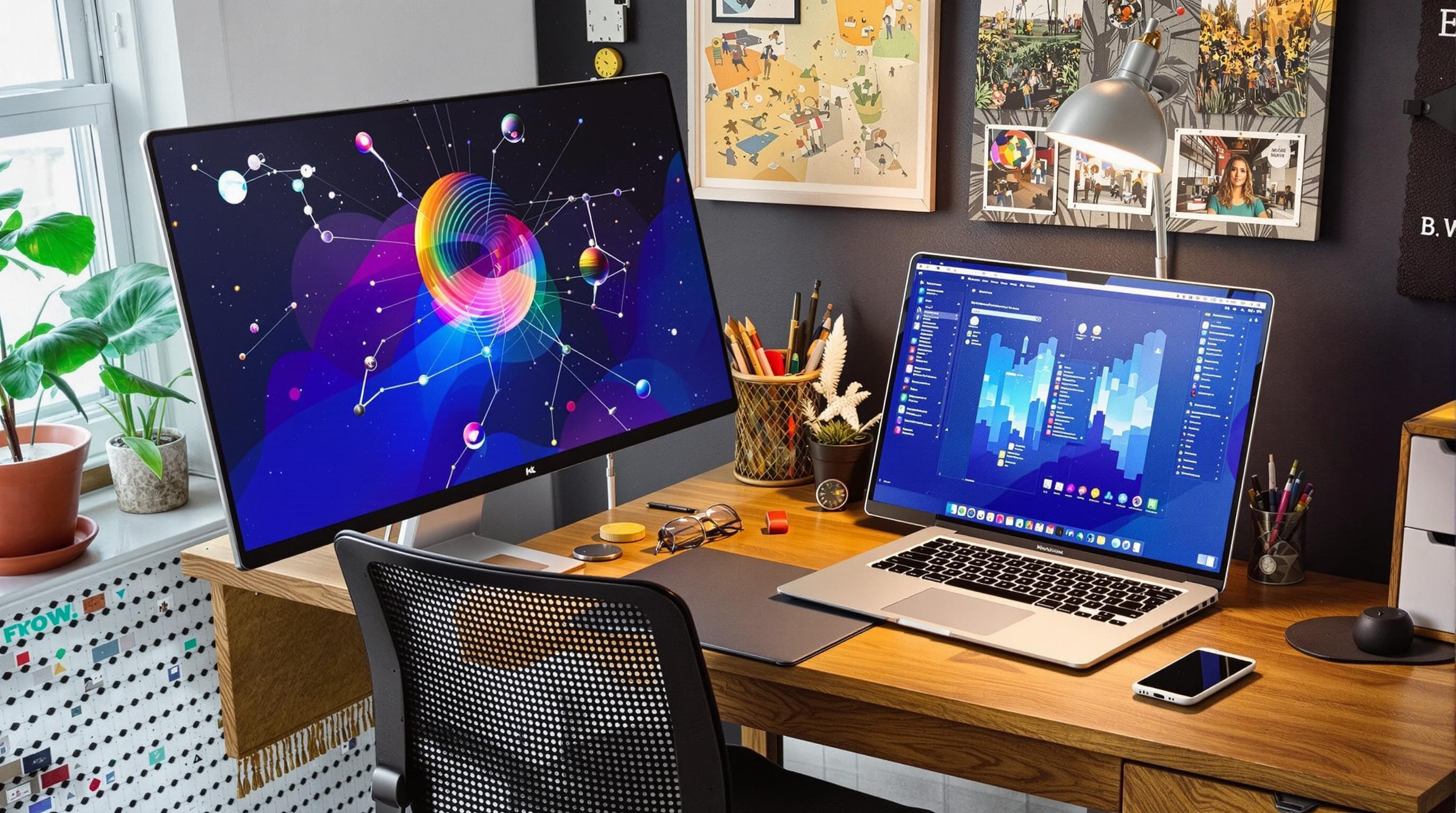
10 Uncommon Productivity Hacks: Transform Your Home Office into a Creativity-Boosting Haven
10 Uncommon Productivity Hacks: Transform Your Home Office into a Creativity-Boosting Haven
10 Uncommon Productivity Hacks: Transform Your Home Office into a Creativity-Boosting Haven
1. Embrace Biophilic Design
Integrating natural elements into your workspace can profoundly impact creativity and productivity. Biophilic design focuses on connecting people with nature, which can be achieved by adding plants, natural light, and organic materials to your home office. Research has shown that being around greenery can reduce stress and enhance cognitive function, ultimately leading to a more productive environment.
To get started, consider introducing desk plants like pothos or snake plants, which are easy to care for and can purify the air. If possible, position your desk near a window to maximize natural light exposure, which has been linked to improved mood and focus.
Additionally, using materials like wood, stone, or water features can create a calming atmosphere. Incorporate these elements in decorative pieces or larger furniture to harmonize the overall design with nature.
2. Create a Soundscape
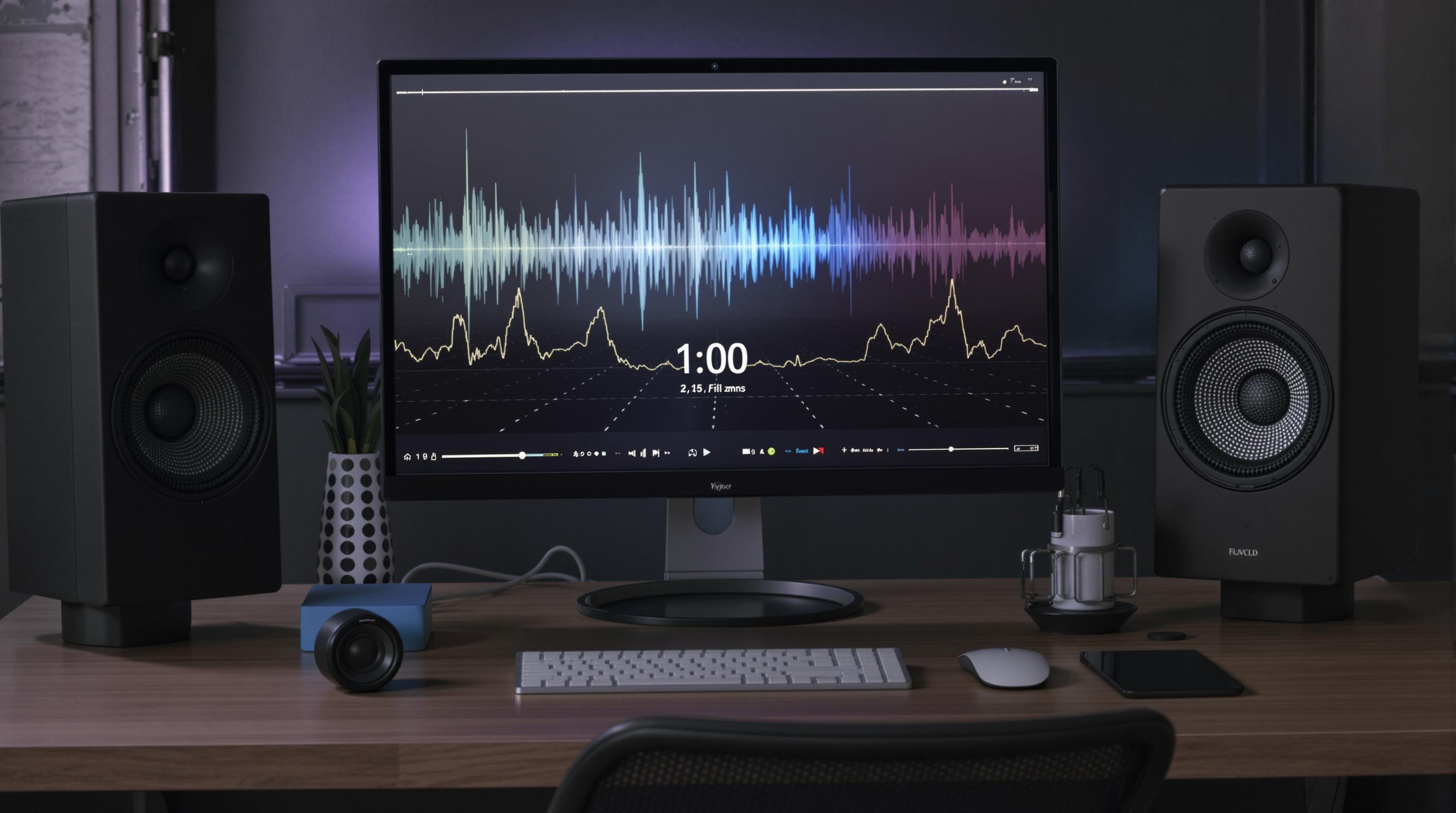
Sound can significantly influence your ability to focus. While silence can be distracting, a carefully curated soundscape can help drown out unwanted noise and enhance concentration. Experimenting with ambient sounds—like rainfall, ocean waves, or soft white noise—can foster a productive work atmosphere.
You might consider using sound apps or streaming platforms that specialize in calming playlists. Research from the University of California, Irvine, indicates that non-intrusive background noise has the ability to facilitate creativity, as it helps to engage the mind without overwhelming it.
Alternatively, instrumental music or soundtracks from your favorite films can also spark motivation and creativity, allowing you to immerse yourself in your work without the distractions of lyrics.
3. Set Up a 'Creative Corner'
Designating a specific area in your home office for creative tasks can help signal to your brain that it’s time to shift gears and embrace innovation. This 'creative corner' can be adorned with inspiring artwork, colorful stationery, or anything that resonates with your creative spirit.
To make the most of this space, ensure it is separate from your primary work area where mundane tasks are performed. This separation not only enhances the psychological association of the space with creativity but also encourages you to physically shift locations, a tactic that can refresh your mind.
Moreover, including tactile elements like sketches, fabric swatches, or even mood boards can spur inspiration. As you arrange this corner, think about all the stimuli you would like to include that ignite your imagination.
4. Implement Time Chunking
Time chunking involves breaking your work into distinct blocks allowing for concentrated focus with scheduled breaks. This method aligns with the Pomodoro Technique, which suggests working for 25 minutes and then taking a 5-minute break. However, you can adapt it to find a rhythm that works best for you.
By defending your time in this way, you reduce the overwhelm of long tasks and can maintain higher levels of energy throughout your work session. During your breaks, step away from your desk: stretch, meditate, or even step outside to recharge your creative juices.
Studies indicate that structured work patterns improve attention and creativity. In this approach, you're less likely to succumb to distractions, permitting for a more profound engagement during your focused work periods.
5. Utilize Color Psychology
The colors surrounding you can drastically affect your mood and productivity levels. Color psychology suggests that different shades evoke various emotional responses, and leveraging this knowledge in your home office design can enhance creativity.
For example, shades of blue can promote calm and concentration, while greens can foster balance and refreshment. Consider a vibrant accent wall or colorful accessories to stimulate creativity while ensuring the main work area remains grounded.
When choosing colors, think about the time of day and the tasks you will undertake. Warmer tones can add energy and motivation, suitable for brainstorming sessions, while cooler tones might be better for more analytical tasks.
6. Declutter Mindfully
While decluttering is a common productivity tip, the approach can be enhanced by mindful decluttering. Instead of simply removing items, consider each piece’s emotional or functional value. This allows you to keep things that truly inspire you while minimizing distractions.
Start by categorizing items into functional, inspirational, and unnecessary. This categorization can lead to a workspace that feels more like a personalized haven rather than merely a workstation.
Research shows that a clutter-free environment can significantly improve focus and performance. A mindful declutter also promotes mental clarity, as you are more likely to see your workspace as a reflection of your intentions and goals.
7. Cycle Through Tasks
Repetitive task cycles can lead to mental fatigue. To counter this, consider cycled task management—switching between different types of tasks throughout the day. This practice can keep the mind engaged, reducing monotony.
For instance, alternate between creative tasks like writing or brainstorming and more linear, analytical tasks such as data entry or email management. Ideally, this variety will enhance cognitive flexibility and keep you energized.
Research from the Journal of Applied Psychology suggests that task variety can lead to higher job satisfaction and engagement. Cycled workflows enable you to tap into different creative processes, allowing ideas to intermingle and develop more fully.
8. Establish a Ritual
Creating a personal work ritual can set the tone for your productivity. A routine—such as brewing your favorite coffee, lighting a candle, or listening to a particular song—can signal the start of a focused work period.
These rituals serve as psychological cues that prepare your mind for work, enhancing both focus and creativity. A study from the University of Chicago indicates that establishing rituals can lower anxiety and enhance overall performance.
Moreover, as you move through your ritual, you may find yourself mentally preparing for challenges ahead, increasing resilience and fortitude as you tackle tasks. Identify what small activities help ground you and allow them to become part of your daily work routine.
9. Use Inspiring Visuals
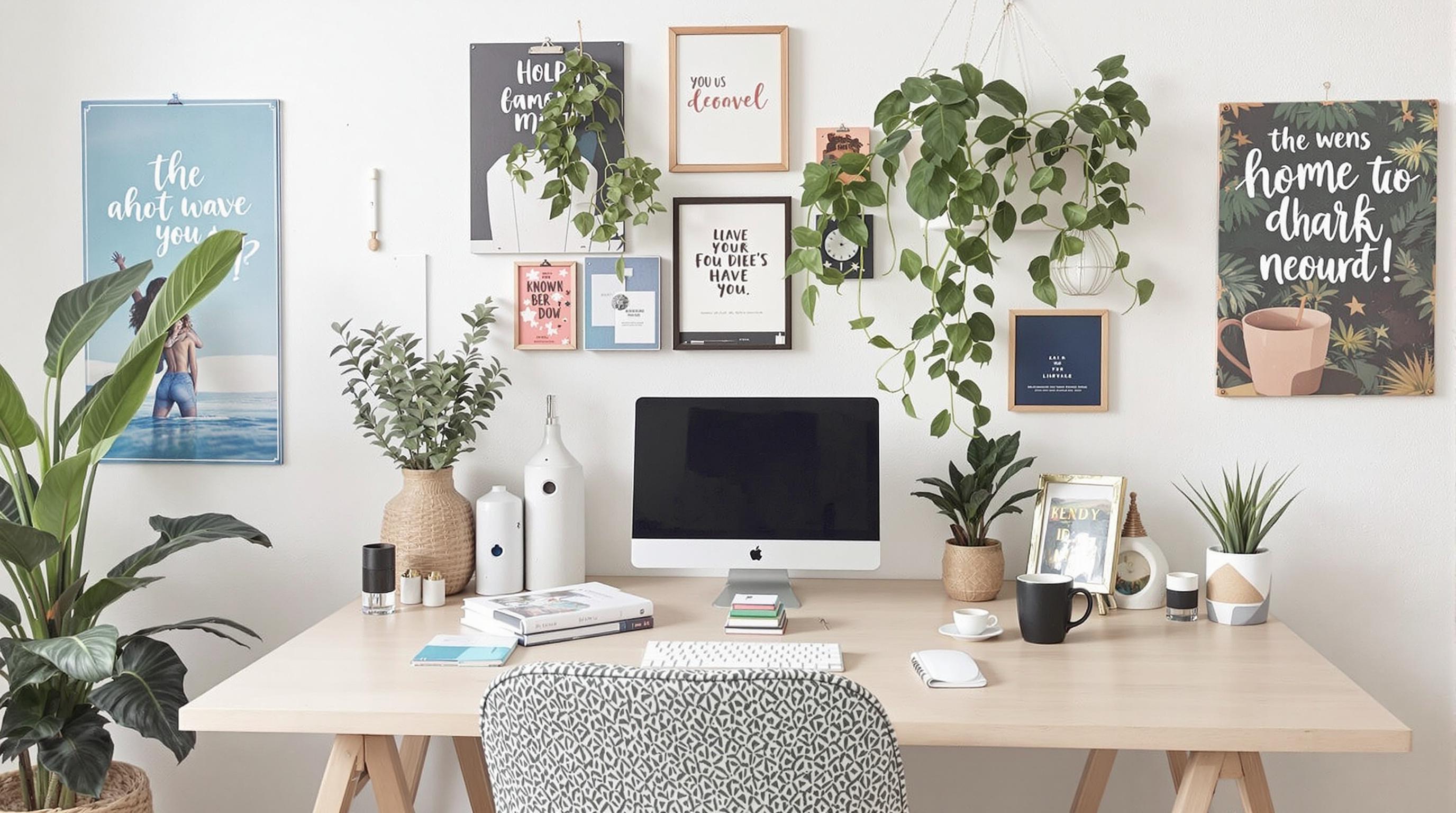
Visual stimuli play a critical role in enhancing cognitive processes. Consider surrounding yourself with inspiring visuals such as quotes, vision boards, or photographs that resonate with your aspirations. These reminders can spur creativity and motivation throughout your workday.
Implementing a vision board filled with goals, dreams, and successful moments can help keep your larger objectives in focus. This visualization technique has been praised for fostering a positive outlook and forward momentum.
Moreover, studies in visual neuroscience have shown that people have enhanced memory retention in environments that stimulate visual senses. This retention can translate to stronger connections between tasks and creative thoughts.
10. Prioritize Mental Breaks
Finally, don't underestimate the power of mental breaks. Engaging in brief mental breaks throughout your day can significantly improve your creativity. Instead of powering through hours of uninterrupted work, schedule time to pause and engage in activities such as meditation, stretching, or even daydreaming.
Research illustrates that brief mental disengagement from work can boost creative problem-solving. By allowing the brain to rest, you enable your subconscious to process ideas and generate novel solutions.
Experiment with various break activities to see what reignites your enthusiasm, whether it's a walk, a few minutes of mindfulness, or stepping away to engage in a hobby. Embracing this philosophy can transform the dynamics of your workday, leading to sustained creativity and productivity.
Read More