Related Articles
- Cultivating Chaos: The Surprising Benefits of Disorder in Sustainable Community Movements
- The Silent Revolution: How Micro-Communities Challenge the Norms of Eco-Conscious Governance
- Rethinking Romance: The Unexpected Impact of Sustainable Love Stories on Community Commitment
- Invisible Workspaces: How the Arrangement of Unseen Elements Shapes Your Daily Workflow and Mental Clarity
- The Hidden Costs of Clutter: How Excess Items in Your Workspace Affect Your Wallet and Well-Being
- Unlocking Creativity: The Unexpected Benefits of Furniture Arrangement on Your Daily Workflow at Home
The Psychology of Color: How Your Wall Shades Can Make or Break Your Home Office Vibe
The Psychology of Color: How Your Wall Shades Can Make or Break Your Home Office Vibe
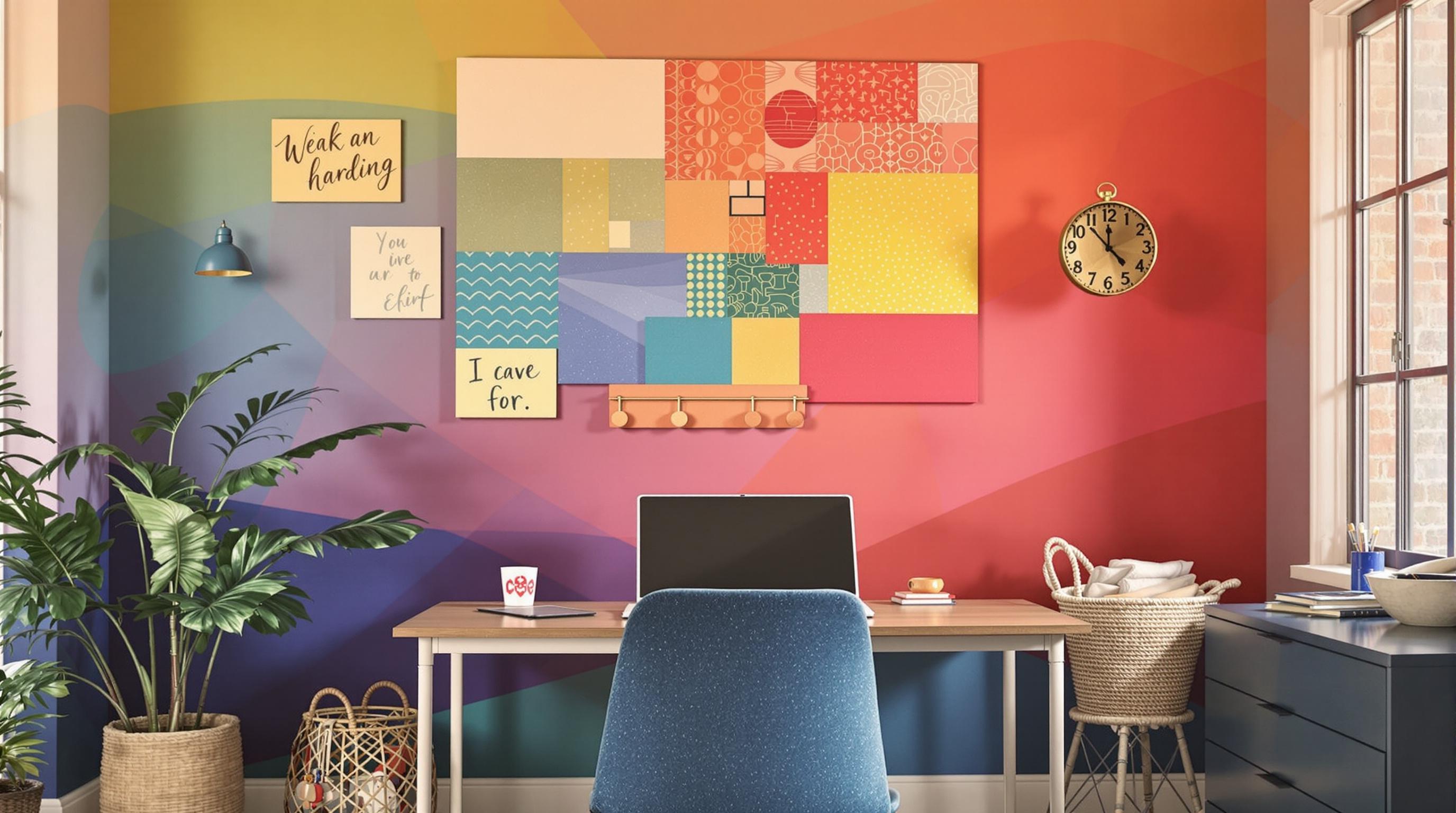
The colors you choose for your home office can dramatically shift your mood, boost productivity, and even enhance creativity. Understanding the psychology of color can guide you in creating a workspace that not only looks good but feels good too.
The Impact of Color on Mood and Productivity
Did you know that color can exert a powerful influence on your emotions and behavior? According to a study by the Institute for Color Research, people make a judgment about an environment within 90 seconds of initial viewing, and about 62-90% of that assessment is based on color alone.
Colors and Their Psychological Effects
Let’s delve into various colors and their psychological impacts. Each hue communicates different feelings and can evoke various responses:
- Blue: Often associated with calmness, stability, and trust, blue can create a serene environment that boosts concentration. It’s a popular choice for offices where focus is essential.
- Red: This color incites excitement, passion, and energy. However, too much red can lead to stress, so it should be used sparingly or as an accent color.
- Yellow: The color of sunshine stimulates optimism and creativity. It can brighten your mood, although too much yellow may cause irritability.
- Green: A calming color associated with nature, green can instill balance and create a restful environment. It’s particularly effective for home offices where relaxation is crucial.
- Purple: Often linked to creativity and luxury, purple can inspire imaginative thinking, making it a great choice for artistic professions.
Case Studies: Color in Action
Consider the case of a marketing firm that painted its office in various shades of blue and green. Feedback from employees indicated a significant increase in task focus and overall job satisfaction, demonstrating a direct correlation between color choice and productivity levels. In contrast, a tech startup opted for bold reds and yellows in their design but wound up with complaints of stress and distractions among employees.
Creating Your Ideal Home Office Environment
Choosing the right color can transform your workspace, but how do you decide? The first step is to think about the mood you want to establish. Ask yourself, “What do I hope to achieve in this office?”
Personal Preferences vs. Psychological Theory
While statistical data is certainly helpful, personal preference plays a vital role too. If you adore fiery red yet find that it makes you anxious, seek inspiration from other shades or designs that incorporate red more subtly. Sometimes, combining various colors can balance the effects beautifully.
Using Color to Zone Your Workspace
If you have a large office or share your space with family or roommates, consider using colors to delineate different zones. For example, a tranquil blue for your work area could balance a more vibrant yellow reading nook, providing clarity in function while keeping the ambiance lively.
The Science Behind Color Choices
It’s fascinating how deeply embedded color psychology is in our lives. A survey conducted by the Color Marketing Group found that 70% of respondents felt that color influenced their mood and emotional health. With such compelling evidence, it’s hard to ignore the role color plays.
Real-Life Applications and Trends
Looking at current design trends like biophilic design, which incorporates natural elements, it’s evident that earthy tones are making a comeback. These shades not only foster a connection to nature but also create inviting spaces that are conducive to work. A home office featuring soft browns and greens can inspire both calmness and productivity.
From Theory to Action: The Color Selection Process
So, how do you put this psychological understanding into practice? Here’s a quick guide to assist in your color selection:
- Identify Your Needs: Consider what you want from your home office. Is it creativity, focus, or perhaps relaxation?
- Test Colors: Buy sample pots and paint patches on your wall to see how they look at different times of the day.
- Consider the Lighting: Natural and artificial lighting can affect how colors are perceived—make sure to test them under both.
- Choose Multiple Shades: Don’t be afraid to mix! This can create a more dynamic and inspiring environment.
Conversational Insights
“I used to have a bright red office,” my 28-year-old friend said, scratching his head. “I thought it would inspire energy, but I just felt overwhelmed and rushed all the time. Once I switched to a cool green tone, I found a calm reserve that helped me actually think about my work—like, why didn’t I do this sooner?”
Common Mistakes When Choosing Office Colors
Even with the best intentions, choosing the right color isn’t foolproof. Here are some common pitfalls often encountered during the process:
- Overuse of Bright Colors: Bright colors can become overpowering and might lead to fatigue or distractions.
- Ignoring Lighting Conditions: The same color can appear vastly different based on the light. Always account for the light sources in your space.
- Following Trends Blindly: While it’s tempting to jump on the latest trends, your personal comfort and preferences should always come first.
Anecdote: The Transformative Power of Color
Take the story of Thomas, a 45-year-old freelance writer who struggled to meet deadlines. His office was painted in vibrant red, and despite his passion for writing, he often found distractions cropping up around him. After taking the plunge to repaint his office in shades of gentle blue and white, his efficiency skyrocketed. “It’s like I’ve entered a new world,” he exclaimed. “I feel focused yet relaxed, and my creativity flows effortlessly!”
Conclusion: Bringing It All Together
Your home office isn't just a space; it’s an arena where ideas flourish or falter, and a pivotal player in determining your efficiency. Understanding the psychology of color and how it impacts our moods and productivity is vital in creating the ideal work environment. As you embark on refurbishing your space, remember the countless shades available, experiment with combinations, and trust your instincts—they might just lead you to your most productive self.
By embracing these facets of color psychology, you’re not just painting walls; you’re cultivating a framework for success. The decision of shades might seem minor, but it holds the potential to transform how you engage with your work daily. So go ahead—is it blue, green, or a vibrant splash of yellow calling out to you?
Read More