Related Articles
- Cultivating Chaos: The Surprising Benefits of Disorder in Sustainable Community Movements
- The Silent Revolution: How Micro-Communities Challenge the Norms of Eco-Conscious Governance
- Rethinking Romance: The Unexpected Impact of Sustainable Love Stories on Community Commitment
- Invisible Workspaces: How the Arrangement of Unseen Elements Shapes Your Daily Workflow and Mental Clarity
- The Hidden Costs of Clutter: How Excess Items in Your Workspace Affect Your Wallet and Well-Being
- Unlocking Creativity: The Unexpected Benefits of Furniture Arrangement on Your Daily Workflow at Home
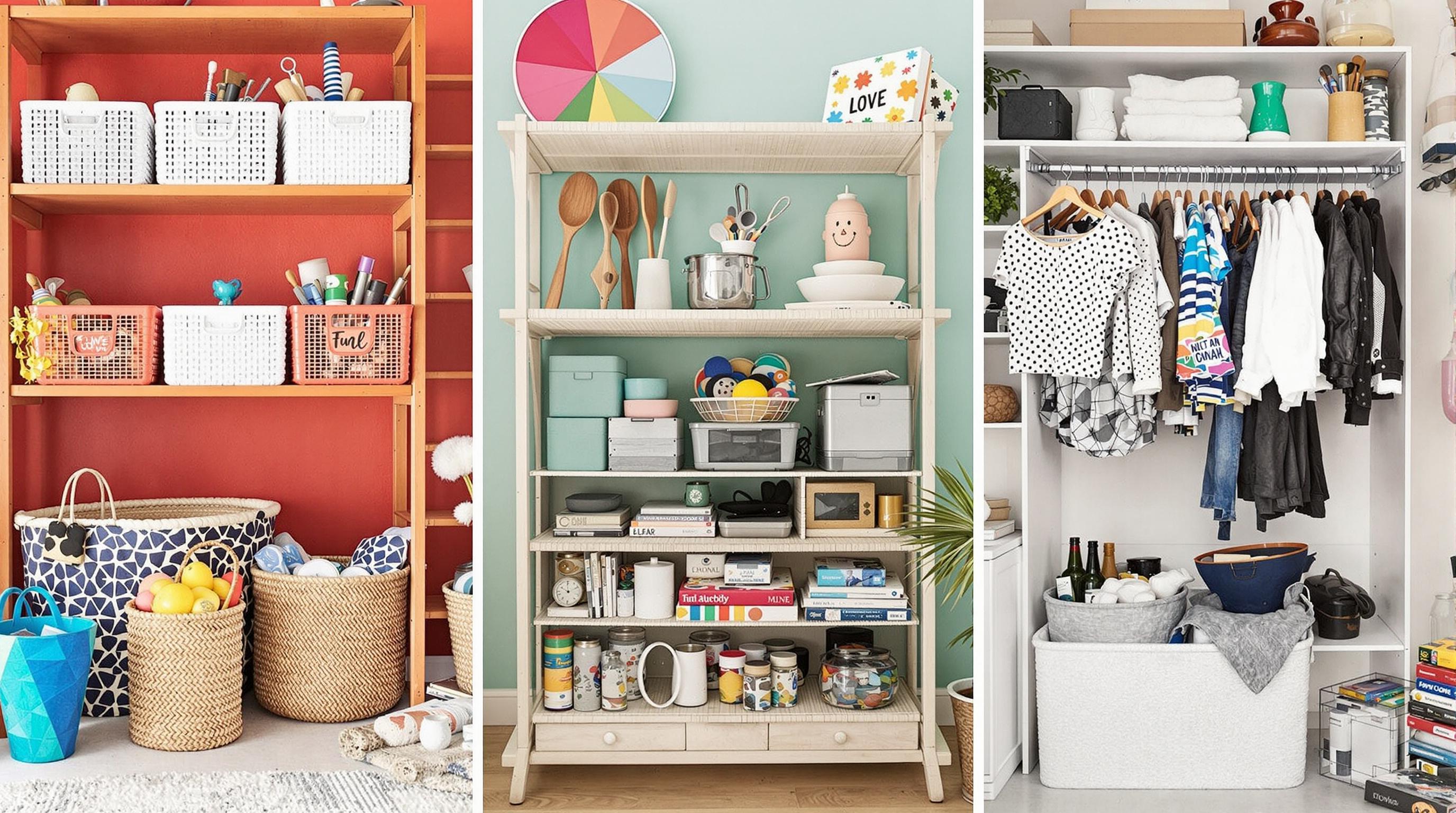
11 Quirky Global Storage Habits: Unveiling Uncommon Methods to Inspire Your Home Organization Journey
11 Quirky Global Storage Habits: Unveiling Uncommon Methods to Inspire Your Home Organization Journey
11 Quirky Global Storage Habits: Unveiling Uncommon Methods to Inspire Your Home Organization Journey
The Japanese Art of Minimalism
In Japan, minimalism is more than just a storage method; it is a lifestyle. Inspired by the principles of Zen, many Japanese homes emphasize decluttering and simplicity. Marie Kondo, a well-known tidying expert, encourages people to only keep items that "spark joy." This approach not only creates a serene environment but also fosters mindfulness about what we both keep and discard.
Storage solutions often include multi-functional furniture. For instance, elevated tatami mats can serve as both seating and storage beneath. Similarly, modular shelving systems allow for the organization of books and memories while maintaining an open and airy space.
The Japanese storage philosophy encourages a direct relationship with our belongings. By treating items respectfully and purposefully, it helps individuals make more intentional choices in their purchasing habits as well.
Indian Under-Bed Storage
In many Indian homes, under-bed storage is used ingeniously to combat space limitations. With space often at a premium in cities, families have adopted the practice of utilizing every nook and cranny. Traditional wooden boxes and plush cotton bags are commonly used to store seasonal clothing, linens, and even small kitchenware.
This method not only keeps clutter out of sight but also incorporates elements of culture, as many storage boxes are handmade and intricately decorated. It’s a beautiful way to merge functionality with artistry.
The idea here is to expand your storage horizons by thinking outside conventional spaces. Investing in sturdy storage containers that fit under your bed can transform a cluttered room into an organized haven.
Scandinavian Simplicity
Scandinavian design emphasizes functionality and simplicity, and this is reflected in their storage habits. Swedes, for example, prefer furniture that serves dual purposes, like ottomans that can store blankets or coffee tables with built-in drawers.
Moreover, the use of natural materials like wood creates a warm and inviting atmosphere. This approach can be incredibly inspiring for those looking to add a touch of elegance to their organization by utilizing simple yet effective strategies.
By embracing Scandinavian simplicity, you can create a serene living space that balances both practicality and aesthetic appeal, making your home feel more organized and soothing.
Woven Baskets in African Homes
In various African cultures, woven baskets are a staple for storage. From beautifully crafted reed baskets to colorful fabric containers, they are not only practical storage solutions but also represent rich cultural traditions. These baskets are often used to store food, clothing, and even household items.
Using woven baskets as decorative storage can help maintain a clean and organized space while adding texture and personality to any room. This is especially true for open shelving scenarios where beautiful baskets serve a dual purpose: decoration and storage.
Adopting this practice can encourage sustainability and creativity, allowing you not only to minimize clutter but also to celebrate global crafts in your home.
Italian Vertical Gardens
Italy is known for its rich heritage of indoor plants and outdoor gardens, but many urban Romans have taken this concept vertical. Living in smaller apartments, residents often employ wall-mounted planters to bring greenery indoors while saving floor space.
This innovative approach not only beautifies living spaces but can be a great way to store kitchen herbs and small plants. By growing your own basil, oregano, or rosemary in wall-mounted pots, Italian homes embrace the concept of functional and stylish storage.
Transforming vertical spaces into functional gardens can invigorate your home and has practical benefits. Additionally, the fresh herbs can inspire healthier cooking choices, blending aesthetics with wellness.
Chinese Zhangqiao (Rattan) Furniture
In China, traditional rattan furniture serves both comfort and storage. Pieces like Zhangqiao tables often have compartments for hidden storage, allowing families to declutter while maintaining a stylish appearance.
This unique combination of form and function highlights the importance of space utilization. The lightweight nature of rattan further allows for easy movement, making it ideal for multi-use rooms.
Integrating such furniture into your home can create an inviting ambiance while ensuring that your belongings are organized neatly off the floor.
American DIY Hacks
The DIY movement in the United States has led to a myriad of unique and inventive storage solutions. Many Americans are turning to reclaimed materials to create personalized shelving and storage systems that reflect their tastes and lifestyles. From wooden crates to old ladders, creativity in repurposing is a hallmark of American organization.
This hands-on approach not only saves money but also encourages a sustainable mindset by minimizing waste. Furthermore, showcasing local craftsmanship can add character to a home.
Incorporating DIY hacks into your organization journey can inspire you to think creatively and develop personalized solutions tailored to your unique needs.
Spanish Multi-Purpose Rooms
In Spain, the concept of multi-purpose rooms is common, especially in smaller apartments. Residents create versatile living spaces by utilizing furniture that can easily convert from one purpose to another. For instance, dining tables often serve as workspaces or game tables, blending functionality seamlessly.
Spanish homes also embrace the "open floor plan," allowing for freer movement and easier access to storage solutions. This spaciousness helps reduce clutter since everything is neatly arranged in one multi-functional area.
Creating multi-purpose spaces can help you optimize and organize your home while encouraging a more relaxed, integrated lifestyle.
French Vintage Finds
In France, thrifting and vintage markets are a popular source of home organization inspiration. French homes often showcase eclectic furniture pieces and storage units that come with their own stories. Upcycling vintage finds not only offers unique charm but also provides various storage opportunities.
French storage solutions often prioritize aesthetics alongside practicality; beautiful antique cabinets can store dishes while adding elegance to dining areas. This dual focus can inspire you to consider aesthetics when selecting storage options.
By embracing a more global perspective on storage, you can curate a home that reflects your personality and culture while keeping things organized.
Peruvian Traditional Textiles
Peruvian homes often utilize traditional textiles for storage, using colorful, handwoven bags and blankets to stow away items. Known as "chumpis," these textiles serve as both storage and decoration, displaying intricate patterns that celebrate the country’s rich culture.
This method not only keeps items organized but also connects inhabitants to their heritage. By integrating similar textiles into your organization strategies, you can add color and character to your space.
Using textiles as storage can also inspire creativity in organization, allowing you to meld cultural heritage with modern home decor.
Read More