Related Articles
- Cultivating Chaos: The Surprising Benefits of Disorder in Sustainable Community Movements
- The Silent Revolution: How Micro-Communities Challenge the Norms of Eco-Conscious Governance
- Rethinking Romance: The Unexpected Impact of Sustainable Love Stories on Community Commitment
- Invisible Workspaces: How the Arrangement of Unseen Elements Shapes Your Daily Workflow and Mental Clarity
- The Hidden Costs of Clutter: How Excess Items in Your Workspace Affect Your Wallet and Well-Being
- Unlocking Creativity: The Unexpected Benefits of Furniture Arrangement on Your Daily Workflow at Home
9 Time-Worn Storage Secrets: Discovering Ancient Techniques to Optimize Space in a Modern World
9 Time-Worn Storage Secrets: Discovering Ancient Techniques to Optimize Space in a Modern World
9 Time-Worn Storage Secrets: Discovering Ancient Techniques to Optimize Space in a Modern World
1. The Art of Stacking
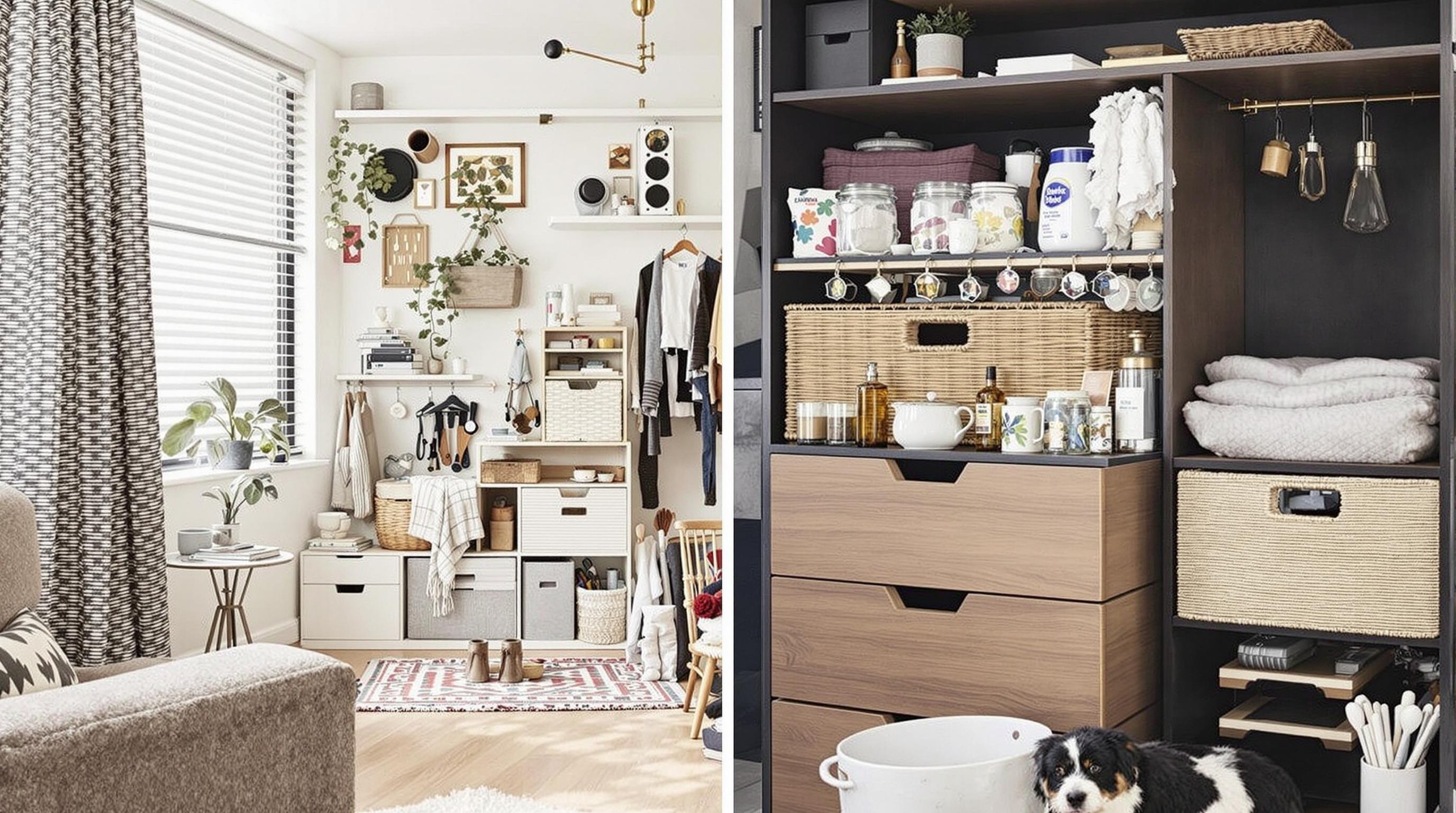
In ancient civilizations, from the Egyptians to the Romans, the concept of stacking items was central to efficient space utilization. By building vertically—whether it be in storage rooms or in the living environment—these societies maximized their limited space. Today, this age-old technique can be easily adapted to modern living, especially in smaller apartments.
Stacking helps in organizing items by category or frequency of use. For instance, utilizing stackable crates or modular shelving can help homeowners keep their spaces tidy without compromising on style. The aesthetic appeal of well-stacked items can also enhance a room's visual charm.
Moreover, stacking reduces the footprint of items, allowing for more floor space and contributing to better airflow in a room. This technique, simple yet profound, showcases how our ancestors approached storage with both practicality and creativity.
2. Nooks and Crannies: Utilizing Unused Space
The concept of utilizing every nook and cranny is grounded in the traditions of medieval architecture, where castles and homes were designed to make use of all available spaces. From alcoves to attic corners, every inch mattered. Today, this practice extends into modern home design, where each crevice can house functional storage solutions.
Incorporating built-in shelves, corner cabinets, or under-stair storage allows for better organization. Creative furniture design, such as ottomans with hidden compartments or beds with drawers underneath, maximizes space without cluttering the environment.
This method of compact storage is not only functional but also an opportunity for artistic expression. Choosing decorative baskets or designer furniture can lend personality to hidden storage areas, blending functionality with aesthetics.
3. The Wonders of Multipurpose Furniture
Multipurpose furniture has its roots in ancient Roman innovations. The Romans designed pieces that served several functions—think of couches that could fold into beds or chests that doubled as seats. Today, this concept is pivotal in small-space living, where every piece of furniture is expected to serve at least two roles.
Modern furniture brands have revived and refined these ancient ideas, producing innovative designs such as sofa beds, extending dining tables, and storage coffee tables. This flexibility allows homeowners to adapt their spaces for various occasions, whether entertaining guests or enjoying a quiet evening at home.
Incorporating multipurpose furniture not only optimizes scarce space but also reduces the need for excess items, leading to a minimalist lifestyle. A thoughtfully chosen multipurpose piece can also serve as a conversation starter, reflecting a blend of style and practicality.
4. The Minimalist Approach: Less is More
The minimalist philosophy can trace its roots back to various ancient cultures, including the Stoics in ancient Greece and the Zen practitioners in Japan. Their teachings emphasized simplicity, encouraging individuals to eschew excess in favor of essential items. This principle continues to resonate today amidst rampant consumerism.
Adopting a minimalist approach fosters a sense of calm and organization in any space. By evaluating possessions and keeping only what is truly necessary, one can optimize space in a way that promotes mental clarity and emotional well-being.
Embracing minimalism goes hand-in-hand with strategic storage solutions, such as elegant shelving or concealed cabinetry, that showcase select items while hiding the rest. This intentionality allows for stunning displays of art or cherished objects while maintaining an uncluttered aesthetic.
5. Baskets and Boxes: Embracing Nature's Design
Throughout history, various civilizations have recognized the utility of baskets and boxes for storage, crafting them from materials like willow, reeds, and wood. These containers not only served as practical storage solutions but also showcased craftsmanship and cultural identity. The modern world reintroduces these age-old concepts, now available in a variety of designs and materials.
Baskets can be lined with fabric to prevent dust collection while adding an element of softness to hard surfaces. Utilizing colorful boxes can enliven a space while ensuring functional organization. Each piece becomes a visual delight as well as a storage solution.
Incorporating these items into one's decor offers harmony and a touch of nature within the human-made environment. This dual-purpose aspect honors ancient practices while enhancing contemporary interiors.
6. Hidden Storage: The Secrets of Ancient Architecture
Many ancient societies, such as the Maya and Egyptians, were masters of hidden storage, discreetly embedding compartments into their architectural designs. These concealed areas housed valuables and everyday items alike while safeguarding them from the elements and invaders. The allure of hidden storage remains relevant, especially in today's home designs.
Modern homes can benefit from integrating hidden compartments within walls, under floors, or behind sliding panels. This innovative design not only declutters visible spaces but can also create a sense of intrigue, encouraging exploration within the home.
Strategically placed hidden storage can also enhance the overall aesthetic of a room, allowing for a minimalist approach while ensuring that essential items are always within reach yet out of sight. The elegance of secrets tucked away reflects centuries of architectural brilliance.
7. Pegboards and Hooks: The Power of Verticality
Historically, pegboards and hooks have served practical purposes in various trades, from carpentry to crafting. The flexibility of these tools allowed craftsmen and homemakers alike to hang their tools and materials efficiently, creating vertical storage solutions. Today's designers have embraced this concept, transforming it into sophisticated storage solutions for modern homes.
In contemporary interiors, pegboards can be fashioned into decorative wall art, creating functionality without sacrificing aesthetics. Hooks provide easy access for items like coats, bags, and accessories, making spaces feel organized while remaining stylish.
The use of vertical space with pegboards and hooks not only declutters surfaces but also adds dimension to walls. By combining practicality with design, homeowners can curate their storage creatively and effectively.
8. The Wisdom of Seasonal Rotation
Ancient societies often adapted their storage techniques according to the changing seasons. For instance, in agrarian cultures, crops would cycle in and out of storage as the seasons changed, demonstrating the need for thoughtful organization based on time. This principle can extend into modern-day lifestyles, particularly in how we manage clothing, decor, and supplies.
By rotating seasonal items—such as winter clothing or holiday decorations—one can free up valuable storage space and keep living areas clutter-free. This practice not only optimizes physical space but can also encourage mental clarity and readiness for each new season.
Moreover, considering seasonal needs encourages individuals to pay attention to their consumption habits and foster a deeper appreciation of their possessions, allowing for mindful choices in how to allocate space.
9. DIY Storage Solutions Inspired by History
As societies evolved, so did their DIY storage solutions, reflecting the creativity and resourcefulness of their communities. From repurposing old furniture to crafting unique storage items from basic materials, these innovative practices have stood the test of time. Today, with a resurgence in sustainability and personal expression, DIY storage is more popular than ever.
Creating custom storage solutions not only guarantees a perfect fit for any space but also allows individuals to infuse their personality into their home. Upcycling—transforming old items into new ones—can also be an eco-friendly approach to storage.
By looking to the past for inspiration, modern homeowners can find boundless opportunities to merge creativity with utility, ensuring that their spaces remain organized, functional, and aesthetically pleasing.
Read More