Related Articles
- Cultivating Chaos: The Surprising Benefits of Disorder in Sustainable Community Movements
- The Silent Revolution: How Micro-Communities Challenge the Norms of Eco-Conscious Governance
- Rethinking Romance: The Unexpected Impact of Sustainable Love Stories on Community Commitment
- Invisible Workspaces: How the Arrangement of Unseen Elements Shapes Your Daily Workflow and Mental Clarity
- The Hidden Costs of Clutter: How Excess Items in Your Workspace Affect Your Wallet and Well-Being
- Unlocking Creativity: The Unexpected Benefits of Furniture Arrangement on Your Daily Workflow at Home
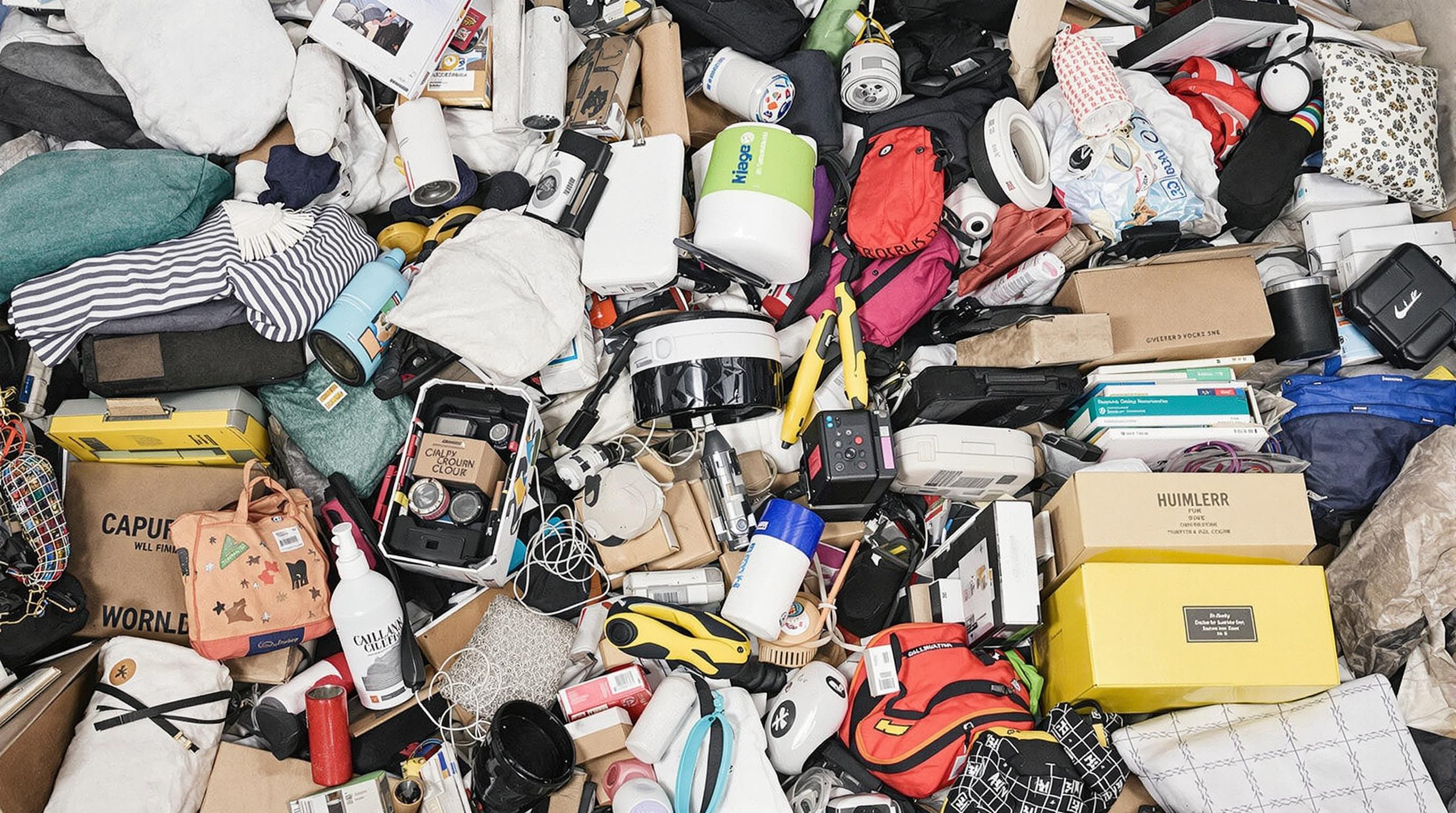
When Minimalism Meets Hoarding: A Deep Dive into the Psychology of Our Stuff and What It Means for Storage Culture
When Minimalism Meets Hoarding: A Deep Dive into the Psychology of Our Stuff and What It Means for Storage Culture
The struggle between minimalism and hoarding reflects our complex relationship with material possessions, rooted deeply in psychology and cultural practices. This article explores the nuances of our attachment to belongings, how they shape our identities, and the implications for our ever-evolving storage culture.
The Rise of Minimalism: A Cultural Phenomenon
Minimalism has surged in popularity over the last decade, with proponents discussing its benefits for mental well-being and environmental sustainability. A 2018 study conducted by the American Psychological Association found that decluttering one’s environment can significantly reduce stress levels (APA, 2018). While it encourages a lifestyle that prioritizes experiences over things, this shift also inadvertently frames the act of hoarding as a psychological disorder.
The Psychology Behind Hoarding
On the other side of the spectrum lies hoarding, often seen as an extreme attachment to possessions. According to the Diagnostic and Statistical Manual of Mental Disorders (DSM-5), hoarding is characterized by persistent difficulty discarding or parting with possessions, leading to clutter that substantially compromises living spaces (American Psychiatric Association, 2013). This condition can often stem from traumatic experiences, anxiety disorders, or deep-seated emotional connections to items.
Statistics and Case Studies
Research indicates that around 2-6% of the population suffers from hoarding disorder, highlighting its prevalence (Tolin et al., 2010). For instance, a case study of a 42-year-old woman named Ellen revealed that her habit of collecting and keeping items stemmed from a turbulent childhood in which her belongings were often taken from her. Ellen's story illustrates how hoarding can serve as a coping mechanism for unresolved emotional issues.
Confessions of a Recovering Hoarder
Let’s step into the shoes of Mike, a 30-year-old from Seattle who has spent his life gathering a chaotic mix of memorabilia, clothes, and broken furniture. "It felt overwhelming to get rid of anything," he confessed during a recent interview. "Each item held a memory, and releasing it felt like losing a piece of myself." Mike's journey echoes the experiences of many who find themselves trapped in the suffocating grip of their belongings.
However, Mike eventually embraced minimalism after realizing how clutter was affecting his mental health. By slowly parting with items that did not spark joy, akin to Marie Kondo’s philosophy, he said he began to reclaim his space—and his peace of mind.
Minimalism vs. Consumerism
As consumer culture bombards us with messages to buy more, minimalism serves as a counter-narrative. Studies show that Americans spend an average of 5.4 hours a day watching television advertisements, a significant portion of which promotes consumer goods (Nielsen, 2019). The ironic twist? While we’re being told to have it all, many of us are caught in the whirlwind of excess that leads to dissatisfaction and stress.
Are We Hoarders in Disguise?
The complexities deepen when we consider that many people live in a constant state of organized chaos. You know the type—an immaculate kitchen counter but an overflowing closet. While they may keep their visible space tidy, the hidden clutter accumulates, as if it's waiting to pounce at the most inopportune moment. Essentially, this behavior could signal an inner conflict between the desire for minimalist aesthetics and the inability to part with sentimental or unnecessary items.
This ongoing battle leads to what many experts refer to as "functional clutter." It’s a kinder term for hoarding that encompasses those of us who juggle multiple roles in life, often leading to disorganization in our possessions despite seemingly good intentions.
How Cultures Shape Our Relationship with Stuff
The relationship people have with material goods varies significantly across cultures. For instance, in some Eastern cultures, the philosophy of 'Wabi-Sabi' embraces the beauty of imperfection and transience, leading to a more accepting outlook towards simplicity and non-attachment. In contrast, Western cultures often equate self-worth with material wealth, promoting a cycle where more possessions mean greater status.
A fascinating example can be seen in Japan, where ‘decluttering’ is not merely a trend; it’s a way of life. The KonMari Method, introduced by Marie Kondo, encourages individuals to assess their belongings based on joy, fostering a profound cultural shift toward minimalism.
The Cost of Storage Culture
As the divide between minimalism and hoarding widens, the storage industry has readily capitalized on our growing need to manage belongings. In 2020, the self-storage market was valued at $38.1 billion in the United States alone, with projections indicating continued growth (IBISWorld, 2020). These facilities provide short-term solutions for long-term issues, essentially offering a Band-Aid for our consumer-driven habits rather than addressing the underlying psychological factors.
Simplifying Our Storage Solutions
In an effort to combat clutter and chaos, individuals can benefit from adopting strategic storage methodologies. For instance, utilizing vertical space, implementing organizational bins, and adhering to the ‘one-in-one-out’ rule can help create more functional living environments. These strategies not only foster a sense of control but also promote mindfulness around the acquisition of new items.
When Minimalism and Hoarding Collide
Consider the stories of two sisters, Jane and Sarah. Growing up, they each developed unique relationships with their possessions. Jane adopted a minimalist approach as she transitioned into adulthood. In sharp contrast, Sarah found solace in collecting every trinket, old book, and piece of clothing that resonated with her nostalgia.
As life progressed and they shared a living space, the sisters’ contrasting philosophies collided. Tension mounted as Jane's minimalist lifestyle clashed with Sarah's hoarding tendencies, showcasing a battleground laden with discarded items and unresolved emotions. Their story prompts the critical question: Can harmony be achieved when minimalism meets hoarding?
Bridging the Gap
The answer lies in communication and empathy. Both siblings learned to navigate their differences by understanding each other's backgrounds and psychological motivations. By developing a shared decluttering ritual, incorporating laughter and positive reinforcement, they discovered that they could create a space that honored both their values—one that reflected joy, utility, and sentiment.
The Future of Our Stuff
In an era of fast fashion and endless consumer choices, the need to redefine our relationship with possessions has never been more critical. As a 22-year-old sustainability advocate, I often find myself pondering whether the future can hold space for both minimalism and a selective appreciation for cherished items. Can we honor sentimental value without becoming products of our possessions? It's a question that requires reflection and societal shifts.
The Role of Technology
In the digital age, technology plays a pivotal role in how we organize, store, and manage items. Cloud storage options have begun to replace physical clutter, with people opting to keep memories of old photographs and videos in virtual form. However, this solution is not without its dilemmas; as we digitize our lives, the line of attachment may blur, leading us to hoard digital memories as fiercely as physical items.
Moreover, emerging trends such as “minimalism apps” encourage users to visualize their belongings and implement a digital ‘Marie Kondo’ approach to their lives. These digital resources can aid us in becoming more aware of our consumption habits while helping to eliminate physical clutter.
Finding Balance in Storage Culture
The implementation of balance in our relationship with possessions lies not only in how we choose to store items but also in the intentions behind their acquisition. Striving for a conscious and intentional approach fosters not just satisfaction in material ownership but also mindfulness in decision-making and sustainable consumption.
Conclusion: Embracing the Complexity of Our Stuff
Ultimately, the journey between minimalism and hoarding reflects deeper psychological processes that shape our identities and experiences. By understanding the bifurcation of this relationship, we can approach our belongings with empathy, mindfulness, and intention. Whether you’re a minimalist at heart or someone who cherishes the memories tied to your possessions, embracing the complexity of our stuff allows us to cultivate a sustainable and fulfilling storage culture for the future.
It's about finding the balance—where the simplicity of minimalism meets the nostalgia of hoarding, creating spaces that are not just organized, but also meaningful. So next time you're about to toss that old concert ticket or fancy organizing system, ask yourself: what story does it tell, and how does it fit into the narrative of who you are?
Read More