Related Articles
- Cultivating Chaos: The Surprising Benefits of Disorder in Sustainable Community Movements
- The Silent Revolution: How Micro-Communities Challenge the Norms of Eco-Conscious Governance
- Rethinking Romance: The Unexpected Impact of Sustainable Love Stories on Community Commitment
- Invisible Workspaces: How the Arrangement of Unseen Elements Shapes Your Daily Workflow and Mental Clarity
- The Hidden Costs of Clutter: How Excess Items in Your Workspace Affect Your Wallet and Well-Being
- Unlocking Creativity: The Unexpected Benefits of Furniture Arrangement on Your Daily Workflow at Home
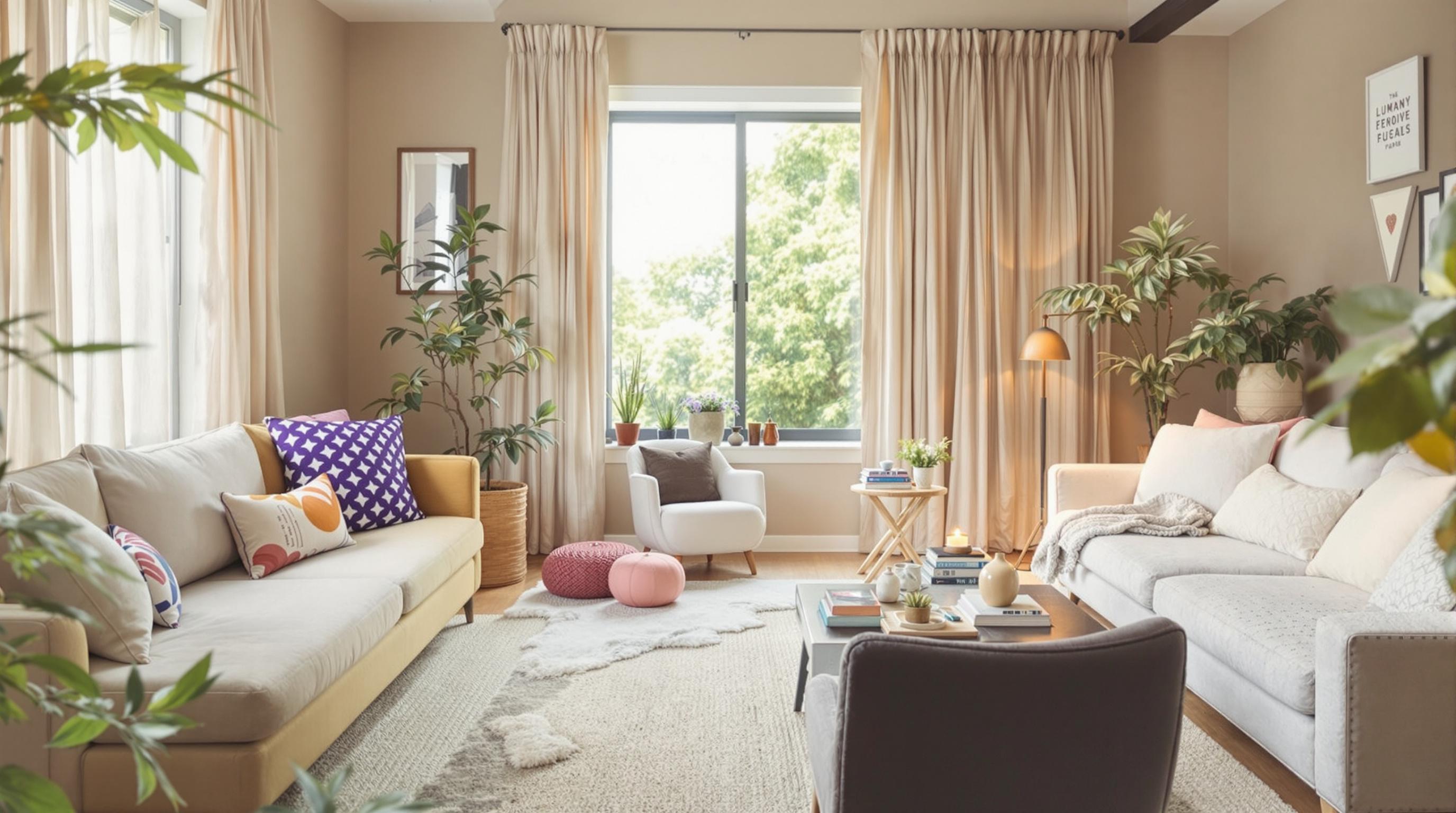
7 Lesser-Known Decluttering Principles from Ancient Wisdom to Cultivate Serenity and Balance in Your Living Environment
7 Lesser-Known Decluttering Principles from Ancient Wisdom to Cultivate Serenity and Balance in Your Living Environment
7 Lesser-Known Decluttering Principles from Ancient Wisdom to Cultivate Serenity and Balance in Your Living Environment
1. The Art of Feng Shui
Originating from ancient China, Feng Shui is a practice that revolves around the flow of energy in a space. Its core principle is that clutter disrupts this flow, leading to imbalance and disharmony. According to Feng Shui experts, ensuring that your home is free of unnecessary items allows positive energy, or "qi," to circulate freely, fostering a sense of serenity.
The practice emphasizes the importance of placement and arrangement of objects. For instance, keeping pathways clear and ensuring that furniture does not obstruct the flow of movement can significantly impact the environment's overall energy. By applying Feng Shui principles, one can create a sanctuary that promotes balance and tranquility.
To get started, select one room and methodically clear out objects that do not serve a purpose or spark joy. Embrace the philosophy of "less is more," which aligns beautifully with the decluttering ethos and leads to a harmonized living space.
2. The Japanese Philosophy of Wabi-Sabi
Wabi-sabi is a traditional Japanese aesthetic embracing impermanence, transience, and the beauty of the imperfect. This philosophy encourages individuals to appreciate the natural cycle of growth and decay, reminding us that not everything needs to be pristine or perfect. In the context of decluttering, wabi-sabi teaches us to find beauty in simplicity and the ordinary.
By practicing wabi-sabi principles, individuals can learn to let go of their attachment to material possessions and embrace a more minimalistic lifestyle. This not only clears physical space but also contributes to mental clarity, allowing for a more serene living environment. Accepting imperfections helps cultivate a balanced perspective on life itself.
Incorporating wabi-sabi into your decluttering process involves selecting items that resonate with you personally, even if they show signs of wear. Embrace the stories each object tells, but do not hesitate to declutter by letting go of items that do not contribute to your happiness.
3. The Ancient Roman Concept of Stoicism
Stoicism, an ancient Greek and Roman philosophy, centers around the idea of self-control and resilience in the face of adversity. One of its lesser-known applications is the concept of decluttering through emotional detachment from possessions. Stoics believed that true contentment comes from within and not from external objects.
By adopting a stoic approach to decluttering, individuals can reassess their possessions, filtering out items whose emotional weight undermines their peace of mind. This practical approach teaches that material goods should serve a function or purpose, rather than become sources of anxiety or stress.
To implement stoic principles in your decluttering journey, reflect on your emotional attachment to each item. Identify what serves you and what hinders your path to serenity. The act of letting go of the superfluous can lead to a deeper understanding of self and cultivate a more balanced lifestyle.
4. The Buddhist Practice of Non-Attachment
Buddhism teaches the importance of non-attachment as a pathway to liberation from suffering. This principle encourages individuals to release their grip on possessions, recognizing that clinging to material items can lead to emotional turmoil. In terms of decluttering, this practice highlights that the path to inner peace lies in letting go.
By applying the principle of non-attachment, individuals are urged to view their belongings as temporary. Instead of accumulating clutter, one is encouraged to simplify their life by surrounding themselves with only what is needed. This not only creates a physically neat space but also fosters a calmer mental state.
When decluttering, consider each object thoughtfully. Ask yourself if it enhances your life or if it is merely a remnant of the past. This mindfulness leads to a cleansing process that goes beyond physical objects, promoting emotional and spiritual clarity.
5. The Taoist Way of Simplification
Taoism emphasizes living in harmony with the Tao or the natural order of the universe. Simplification is a key aspect of this philosophy, advocating for a clutter-free life that reflects the natural world. The ideal is to live simply, embrace what is essential, and let go of the extraneous.
According to Taoist teachings, a simplified environment fosters mental clarity and allows individuals to connect with their inner selves and the world around them. By reigning in excess, you create sacred space that invites mindfulness and reflection, essential for mental and emotional wellness.
Start by evaluating what brings you true joy or necessity. In the Taoist spirit of balance and tranquility, decluttering can become a spiritual practice, leading to inner peace through external simplicity.
6. The Minimalist Ethos of Ancient Greek Philosophers
An ethos of minimalism permeates the teachings of ancient Greek philosophers like Diogenes, who famously lived with very few possessions. His lifestyle challenged the norms of his time and emphasized that happiness does not derive from material accumulation but rather from simplicity and self-sufficiency.
This ancient wisdom can be applied to decluttering by encouraging individuals to re-evaluate their own consumption habits and the societal pressures that promote excess. They can find personal satisfaction in a life stripped down to the essentials, reinforcing the idea that less truly is more.
To adopt this minimalist viewpoint, regularly audit your belongings and ask whether they contribute positively to your existence. The practice of simplification will not only create clarity in your living space but also allow mindfulness to flourish.
7. The Native American Respect for Nature and Space
Many Native American cultures hold a deep respect for the environment and emphasize living sustainably and harmoniously with the earth. This respect extends to their living spaces, advocating for minimal interference and clutter. Homes were traditionally designed to blend with nature, reflecting a connection that celebrates simplicity.
This ancient wisdom teaches that a decluttered living space is more than just aesthetic; it reflects our communion with nature and our understanding of our place within it. Emphasizing harmony over chaos, this approach invites individuals to create spaces that resonate with peacefulness and balance.
To implement this principle in your own life, strive to create a home that respects your connection to the natural world. Eliminate items that disrupt the equilibrium it fosters, and embrace a lifestyle that honors both your living space and the environment as a whole.
Read More