Related Articles
- Cultivating Chaos: The Surprising Benefits of Disorder in Sustainable Community Movements
- The Silent Revolution: How Micro-Communities Challenge the Norms of Eco-Conscious Governance
- Rethinking Romance: The Unexpected Impact of Sustainable Love Stories on Community Commitment
- Invisible Workspaces: How the Arrangement of Unseen Elements Shapes Your Daily Workflow and Mental Clarity
- The Hidden Costs of Clutter: How Excess Items in Your Workspace Affect Your Wallet and Well-Being
- Unlocking Creativity: The Unexpected Benefits of Furniture Arrangement on Your Daily Workflow at Home
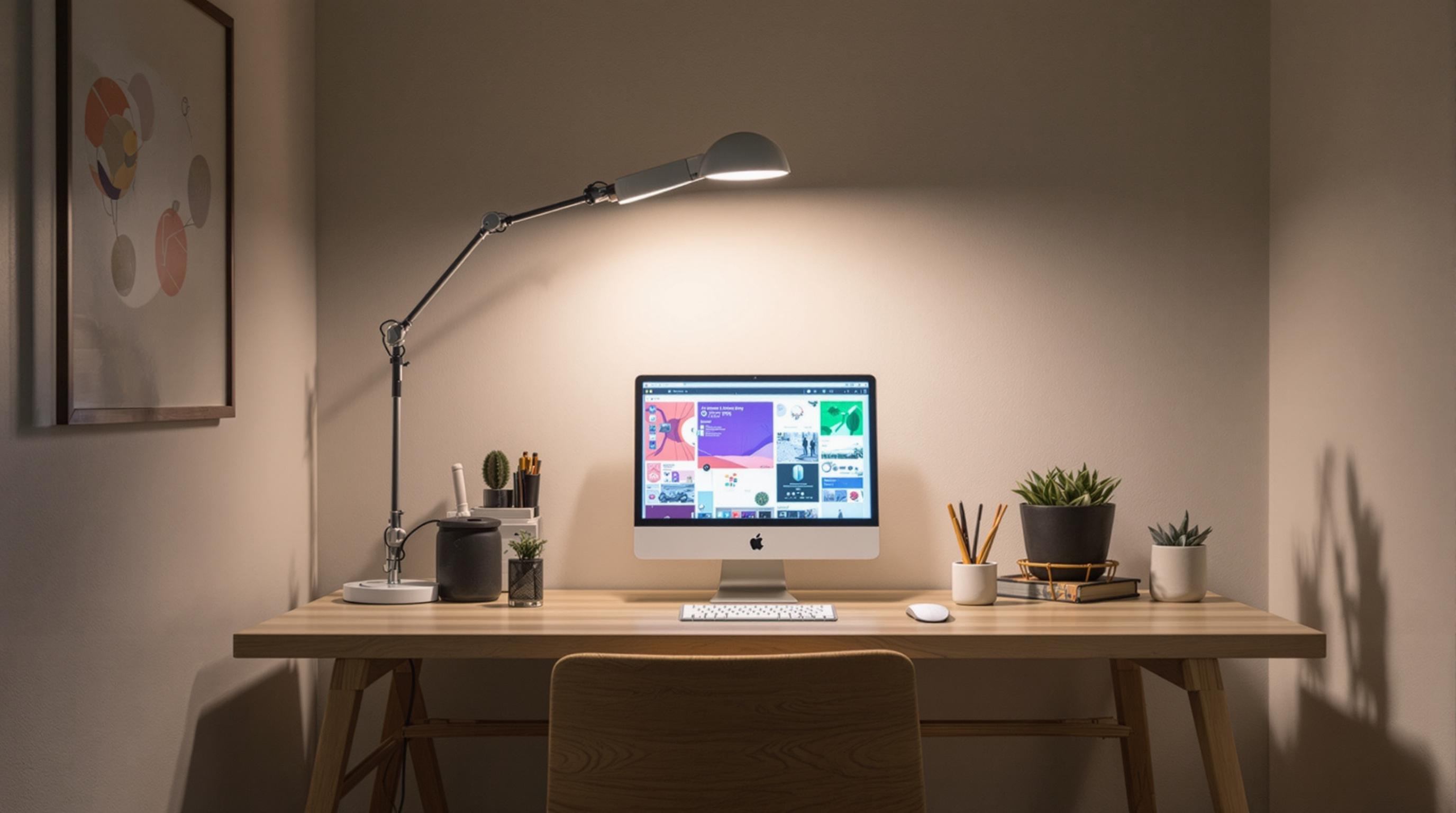
6 Uncommon Lighting Techniques: Illuminate Your Home Office for Enhanced Focus, Comfort, and Creative Flow
6 Uncommon Lighting Techniques: Illuminate Your Home Office for Enhanced Focus, Comfort, and Creative Flow
6 Uncommon Lighting Techniques: Illuminate Your Home Office for Enhanced Focus, Comfort, and Creative Flow
1. Layered Lighting for Depth
Layered lighting involves using multiple sources of light to create a more dynamic and adaptable environment. Instead of relying solely on a single overhead light fixture, consider incorporating ambient, task, and accent lighting. This technique allows you to adjust the lighting based on your activities, whether you’re reading, writing, or brainstorming.
For example, ambient lighting can be provided by ceiling fixtures or floor lamps, while task lighting can come from desk lamps or adjustable clip-on lights. This combination not only enhances functionality but also creates a visually appealing space. Experimenting with different light sources can stimulate creativity and improve focus.
Moreover, using dimmable fixtures in your layered lighting setup allows you to control the intensity of light, providing warmth during relaxed moments and brighter illumination when you need maximum concentration (Mann, 2021).
2. Natural Light Optimization
One of the best resources available for enhancing focus in a home office is natural light. Positioning your desk near windows can significantly influence your mood and productivity. However, it’s not just about having a window; it’s essential to optimize that natural light effectively.
Use light-colored curtains or blinds that diffuse sunlight without blocking it completely. Positioning mirrors strategically can also reflect natural light into your workspace, brightening the area and creating an illusion of a larger space. This not only improves illumination but also fosters a connection to the outside world.
Additionally, consider the angle of the sunlight throughout the day and adjust your work environment accordingly to avoid glare and shadows, which can cause eye strain (Smith, 2022).
3. Color Temperature Adjustments
The color temperature of your lighting can greatly influence your focus and mood. Warmer light (around 2700K-3000K) is conducive to comfort and relaxation, making it ideal for evening work sessions. In contrast, cooler light (5000K-6500K) mimics daylight and can enhance alertness and productivity during the day.
Consider integrating smart LED bulbs that allow you to adjust both the color and intensity of your lighting according to your needs. Scheduling warmer tones in the evening can also signal to your body that it’s time to wind down, reinforcing healthy work-life balance.
Understanding how these temperature adjustments impact your psychological response can help you create a more conducive environment for different tasks, enhancing overall productivity (Green, 2023).
4. Task Lighting Beyond the Desk
Task lighting doesn’t have to be limited to just desk lamps. Think outside the box and consider incorporating various sources of direct lighting throughout your home office. Wall-mounted fixtures, under-shelf lighting, or even adjustable floor lamps positioned strategically can enhance your workspace.
By illuminating specific areas, such as bookshelves or art displays, you create an engaging atmosphere that encourages both comfort and creativity. Whether you’re drawing inspiration from nearby art or accessing essential resources, effective task lighting enhances the functionality of your space.
Furthermore, incorporating adjustable lighting allows you to direct light where you need it most, making it easier to switch between tasks and reducing strain on your eyes (Cohen, 2022).
5. Biophilic Lighting Approaches
Biophilic design seeks to connect people with nature, and lighting plays a pivotal role. Incorporating natural materials and forms into your lighting choices can create a more soothing work environment. For example, consider lamps made from wood or fixtures shaped like natural elements.
Additionally, using light fixtures that mimic the patterns of sunlight filtering through leaves can enhance your connection to nature and promote mental well-being. Combining biophilic elements with soft, natural hues can craft an inviting atmosphere that reduces stress.
Research has shown that biophilic design can lead to higher levels of job satisfaction and overall productivity, making it a worthy consideration for your home office (Kellert, 2018).
6. Dynamic Lighting for Mood Variation
Dynamic lighting, or lighting that changes in intensity and color temperature, can adjust based on your tasks and time of day. This innovative approach caters to your body’s natural circadian rhythms and enhances focus during different activities. For instance, warmer hues can create a relaxed ambiance in the evening, while cooler tones can promote alertness during working hours.
Implementing programmable lighting systems allows you to automate these adjustments, ensuring optimal lighting conditions throughout your workday. These changes can foster greater creativity and reduce fatigue as your mind adapts to varied lighting conditions.
As technology evolves, embracing dynamic lighting options can elevate your work environment significantly, creating a tailored atmosphere that evolves with your workflow (Martin, 2021).
Conclusion
Incorporating these uncommon lighting techniques into your home office can greatly enhance your focus, comfort, and creative flow. By thoughtfully layering light, optimizing natural sources, and considering color temperatures, you can craft a space that not only looks good but feels inspiring and productive.
Furthermore, adopting innovative methods such as biophilic designs and dynamic lighting can transform your workspace into a sanctuary conducive to creativity and well-being. These strategies not only improve visual comfort but can significantly impact your overall productivity levels.
As you explore these lighting techniques, remember that the goal is to create a personalized environment that caters to your unique work style and preferences. The investment in thoughtful lighting design is an essential step toward building the ultimate home office experience.
References
Mann, T. (2021). The Power of Dimming: How to Create the Perfect Atmosphere. Lighting Design Journal.
Smith, J. (2022). Rethinking Natural Light: How to Optimize Your Home Office. Architectural Digest.
Green, A. (2023). Light Matters: The Impact of Color Temperature on Productivity. Journal of Environmental Psychology.
Cohen, E. (2022). The Future of Task Lighting: Beyond the Desk. Home Office Trends Magazine.
Kellert, S. (2018). Biophilia and Lighting: Connecting People to Nature. Journal of Landscape Architecture.
Martin, L. (2021). Dynamic Lighting: Adapting Office Environments for Optimal Performance. Interior Design Review.
Read More