
Related Articles
- Cultivating Chaos: The Surprising Benefits of Disorder in Sustainable Community Movements
- The Silent Revolution: How Micro-Communities Challenge the Norms of Eco-Conscious Governance
- Rethinking Romance: The Unexpected Impact of Sustainable Love Stories on Community Commitment
- Invisible Workspaces: How the Arrangement of Unseen Elements Shapes Your Daily Workflow and Mental Clarity
- The Hidden Costs of Clutter: How Excess Items in Your Workspace Affect Your Wallet and Well-Being
- Unlocking Creativity: The Unexpected Benefits of Furniture Arrangement on Your Daily Workflow at Home
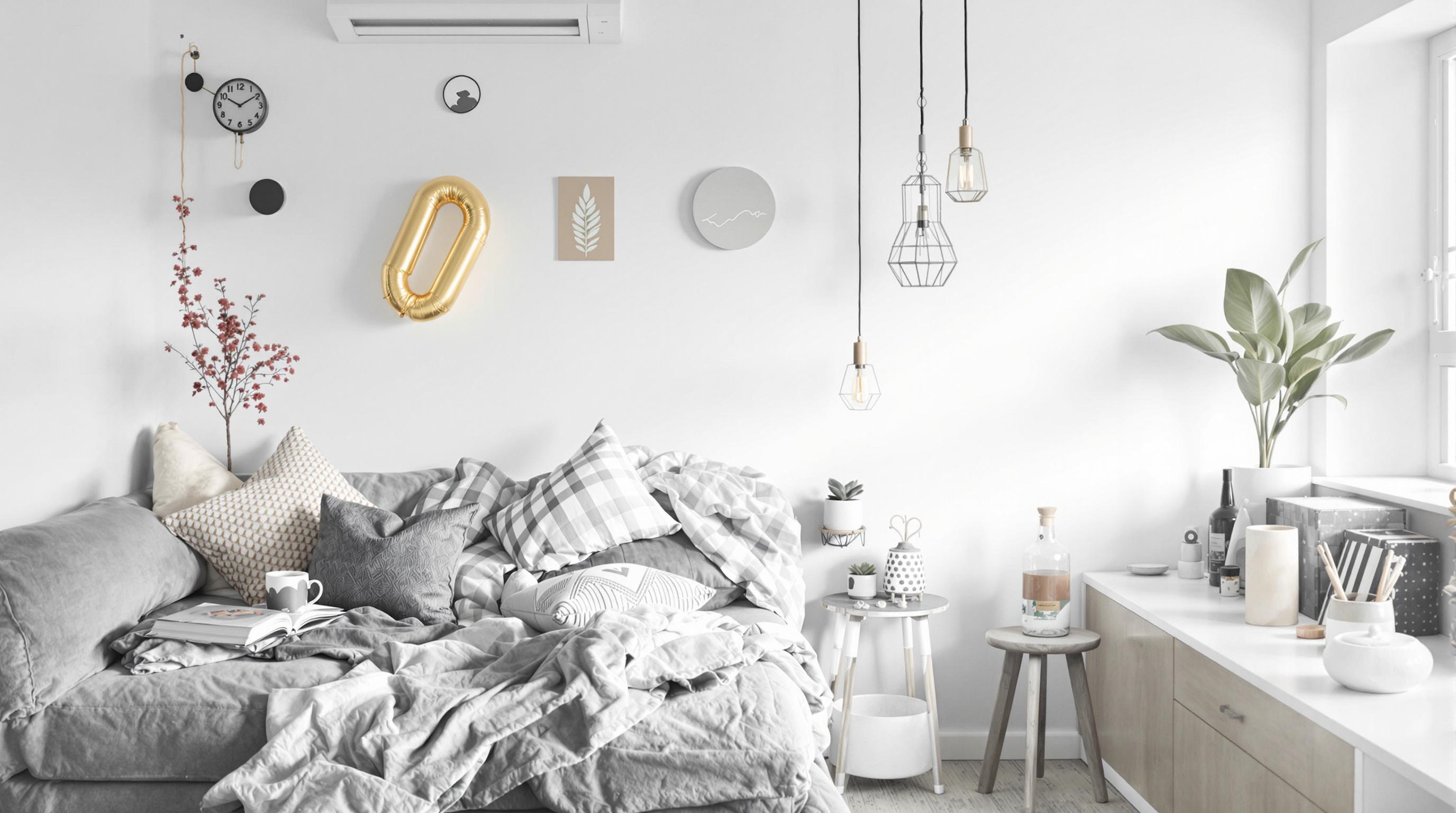
8 Unveiled Secrets of Minimalist Living: Unconventional Tactics for Reducing Clutter and Enhancing Mental Clarity
8 Unveiled Secrets of Minimalist Living: Unconventional Tactics for Reducing Clutter and Enhancing Mental Clarity
8 Unveiled Secrets of Minimalist Living: Unconventional Tactics for Reducing Clutter and Enhancing Mental Clarity
1. Embrace the 90/90 Rule
The 90/90 rule is a powerful minimalist strategy that ensures you only keep items that you have used or will use in the next 90 days. If something hasn’t been used for that long, it’s time to bid it farewell. This rule encourages a quick but critical evaluation of belongings, fostering a mindset that prioritizes utility over mere possession.
By applying the 90/90 rule, you’ll find that many items hold sentimental value but provide no real benefit. This acknowledgment leads to a liberating feeling as your space becomes less cluttered, and your mind less burdened. Letting go becomes easier when you recognize the distinction between value and use.
Furthermore, this tactic can help in enhancing decision-making. With fewer items to contemplate, you can quickly assess what sparks joy or serves a purpose, leading to heightened mental clarity and a deeper appreciation for what you do choose to keep. Simple yet effective!
2. The Power of “One In, One Out”
This principle is straightforward: for every item you bring into your home, remove one. This strategy is particularly effective in curbing impulse purchases, which are often unplanned and unnecessary. By sticking to this rule, you establish a disciplined approach to consumption.
The “one in, one out” rule also forces you to develop a discerning eye. Ask yourself if the new item genuinely enhances your life or if it is just a fleeting desire. This involves critical thinking and reflection, leading to a more disciplined and mindful lifestyle.
In a world rife with consumerism, adhering to this rule creates a safe haven free from clutter. Your surroundings will reflect a life well-lived with intention rather than chaotic accumulation, promoting inner peace and clarity.
3. Digital Decluttering
In our tech-driven world, the digital aspect of clutter often gets overlooked. Just like physical belongings, your digital space can become overwhelming, affecting your mental clarity. Start by sorting through your files, emails, and apps. Unsubscribe from newsletters that clutter your inbox, and organize files into meaningful categories.
Consider implementing tools like digital storage solutions and task managers to streamline your workflow. This not only helps in reducing the digital clutter but also enhances your productivity. Less digital distraction means more mental bandwidth for creativity and focus.
Moreover, setting aside time regularly to maintain your digital hygiene can help keep stress levels in check. Just as you wouldn’t want overflowing drawers, an overflowing digital space can lead to overwhelm and chaos. Stay vigilant and make decluttering a routine affair.
4. Capsule Wardrobe Crafting
Creating a capsule wardrobe is a popular minimalist tactic that simplifies your clothing choices. By curating a collection of versatile, high-quality pieces, you reduce the time and energy spent deciding what to wear each day. It’s about quality over quantity, focusing on items that work well together.
When building your capsule wardrobe, consider your lifestyle, favorite colors, and personal style. Aim for a cohesive set of clothing that allows endless combinations, making every outfit feel fresh without needing thousands of garments. This approach not only reduces clutter but also empowers you to express your identity.
Additionally, adopting a capsule wardrobe can save you money and mitigate decision fatigue. With fewer choices comes the freedom to embrace simplicity, allowing you to focus on what truly matters rather than dumpster-diving through a sea of garments every morning.
5. Minimalist Mindset Meditation
The minimalist lifestyle isn’t merely about clutter; it’s also a mindset. Incorporating meditation into your daily routine can enhance mental clarity by fostering presence and mindfulness. This not only helps in navigating life’s complexities but encourages a profound appreciation for simplicity.
Dedicate time each day to sit in silence, reflect, and let go of mental clutter. Clearing your mind enhances clarity, helping you make sound decisions aligned with your core values. It’s a remarkable tool for filtering out distractions and honing in on what truly matters.
Research suggests that regular meditation can decrease anxiety and improve focus (Kabat-Zinn, J. 1990). By clearing your mental terrain, you pave the way for innovative thinking and creative living. As the mind calms, so too does the relentless pursuit of unnecessary distractions.
6. The Art of Saying No
Learning to say no is a critical skill for leading a minimalist lifestyle. Overcommitment leads to cluttered calendars and stressed minds. By setting boundaries and being selective about what you agree to, you create space for what genuinely aligns with your interests and priorities.
Practice asserting your limits by assessing each opportunity against your personal goals and values. This not only protects your time and energy but also fosters deeper connections with your chosen commitments. Saying no can indeed lead to a more meaningful yes!
Additionally, this tactic helps in reallocating resources toward passions that genuinely fulfill you. So next time you receive an invite or an obligation, channel your inner minimalist and ask yourself, “Is this worth my time?” It’s a liberating process that promotes a more intentional way of living.
7. Use Multi-Functional Items
Investing in multi-functional items is a smart way to reduce clutter while maximizing utility. This can range from furniture that serves multiple purposes, like a sofa bed, to kitchen gadgets that can prepare various dishes. The goal is to minimize the number of things you own while maintaining their function.
Multi-functional items also allow for flexibility in smaller living spaces. They can adapt to the needs of the moment, transforming a humble room into a guest suite or work area. The ingenuity behind such tools not only alleviates clutter but also beautifies and optimizes your space.
Engaging with these versatile objects encourages creativity in functionality. You may find yourselves finding new uses for existing items, leading to a lifestyle rich in innovation and practicality. Embrace the idea that less is more, and revel in the space a streamlined approach provides.
8. Mindful Consumption
Mindful consumption is about being intentional with what you acquire. This involves slowing down the purchasing process, whether you’re at the grocery store or shopping online. Take time to assess what you truly need before making a purchase, and consider opting for ethical brands that align with your values.
Start by creating a shopping list and sticking to it, avoiding impulse buys that lead to unwanted clutter. Additionally, considering the longevity and sustainability of products can enrich your buying experience, promoting a deeper connection with what you bring into your life.
Ultimately, mindful consumption is a practice that fosters gratitude. It gives you the opportunity to appreciate what you have rather than perpetually yearning for more, connecting you with the core philosophy of minimalism: less is, in fact, more.
Read More