Related Articles
- Cultivating Chaos: The Surprising Benefits of Disorder in Sustainable Community Movements
- The Silent Revolution: How Micro-Communities Challenge the Norms of Eco-Conscious Governance
- Rethinking Romance: The Unexpected Impact of Sustainable Love Stories on Community Commitment
- Invisible Workspaces: How the Arrangement of Unseen Elements Shapes Your Daily Workflow and Mental Clarity
- The Hidden Costs of Clutter: How Excess Items in Your Workspace Affect Your Wallet and Well-Being
- Unlocking Creativity: The Unexpected Benefits of Furniture Arrangement on Your Daily Workflow at Home
Reimagining Space: Unconventional Uses for Minimalist Design in Small Urban Environments
Reimagining Space: Unconventional Uses for Minimalist Design in Small Urban Environments
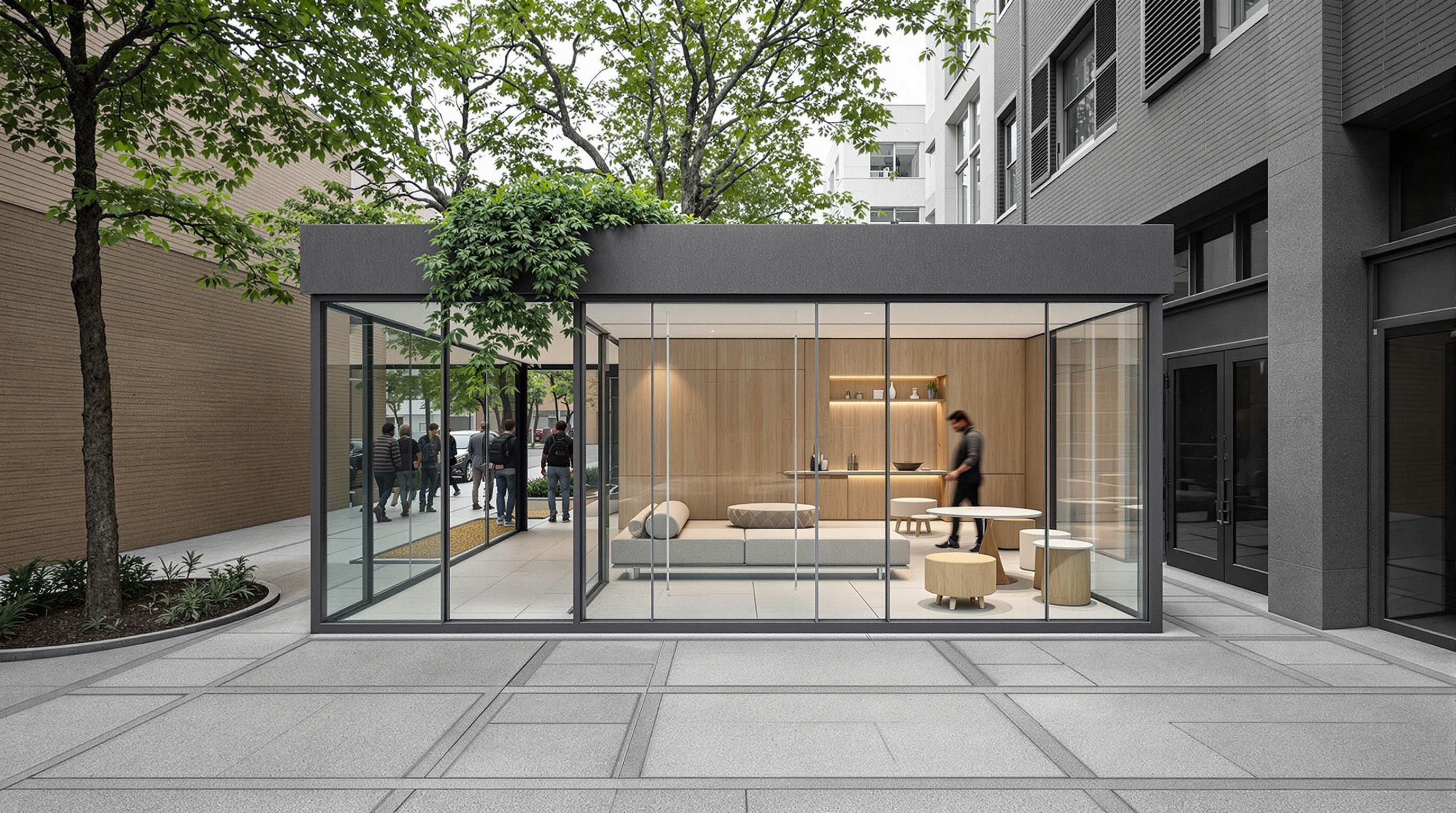
Urban environments with limited space challenge our abilities to fully utilize minimalist design. This article delves into unconventional uses of minimalist design, offering innovative solutions for maximizing space in small urban settings.
The Minimalist Movement: A Brief Overview
Minimalism isn’t just a design trend; it’s a lifestyle philosophy that advocates for simplicity and intentionality. Coined by the art community in the 1960s, the term has gained significant traction in various domains including architecture, furniture design, and even urban planning.
Statistics Highlighting Urbanization
Did you know that by 2050, 68% of the world’s population will live in urban areas? According to the United Nations, this shift creates an urgent need for cities to adapt and optimize their spaces efficiently (UN DESA, 2018). With the rising urban population, the call for ingenious minimalist concepts has never been more critical.
The Rise of Multi-Functional Spaces
In small urban environments, multi-functional spaces have become all the rage. Think of your typical studio apartment: a living room that serves as both a bedroom and a workspace, or a kitchen island that doubles as a dining area. Why own a separate dining table when your countertop serves the purpose? The minimalist approach saves both space and money, while fostering a simple lifestyle.
Case Study: The Micro-Apartment Revolution
Take a look at the micro-apartment phenomenon, especially in highly populated cities like Tokyo and New York. In 2013, the Olivin development in Manhattan showcased 300-square-foot apartments that cleverly included retractable beds and modular furniture layouts. These apartments not only provide affordable housing but also illustrate how effective minimalist design can transform tiny spaces into efficient living environments. In fact, studies have shown that residents in such apartments enjoy a better quality of life despite the reduced square footage.
From Storage to Style
Creative storage solutions are vital for successful minimalist design. For instance, utilizing vertical space through shelving has become a popular method in small urban homes. In fact, the IKEA catalog has featured several innovative shelving ideas that allow users to utilize walls for both storage and aesthetics. More than just shelves, it gives the illusion of higher ceilings and promotes an organized yet stylish ambiance.
Creating Outdoor Retreats
Believe it or not, urban gardens can act as transformative retreats in bustling cities. Residents have begun to take advantage of balcony spaces and rooftops, creating serene gardens or veggie patches. According to a recent survey by the American Society of Landscape Architects, over 60% of landscape architects report that rooftop gardens can mitigate urban heat, providing green spaces even in the smallest of areas. The fusion of greenery with minimalist design contributes to well-being and encourages social interaction.
Innovative Use of Color and Light
Minimalist design isn’t solely about reducing clutter; it also encompasses the art of using color and light effectively. Light colors like whites, grays, and pastels create an illusion of a more open space, making apartments feel larger than they are. Natural light, when harnessed properly, can be a game-changer. Have you ever walked into a café that felt instantly inviting due to large windows filtering in sunlight? Small changes like these can make urban living feel beautiful and spacious.
A Touch of Humor: The Reality of Small Spaces
Living in a small urban space can feel a bit like a game of Tetris. You carefully fit your life into every nook and cranny. One wrong move, and your carefully constructed kingdom of knickknacks comes crashing down in a ballet of chaos. “Oh, you want to come visit?” you ask your friend, as you deftly shuffle furniture like a pro to create one square foot of “guest space.”
The Role of Technology in Minimalist Urban Living
In our tech-driven age, gadgets that promote minimalism are emerging as an essential part of urban dwellings. Smart home devices can condense multiple functions into one sleek interface, allowing us to control lights, heating, and even appliances from our smartphones. This level of organization and efficiency can drastically improve our living conditions, proving that tech can indeed be an ally in the minimalist arena.
The Minimalist Kitchen: Simplifying the Heart of the Home
The kitchen often serves as the hub of life, and minimalist designs are beginning to revamp this important space. Open shelving and multi-functional appliances are trending. Imagine a kitchen where the coffee maker can also grind spices! A study by the National Kitchen and Bath Association reports a 22% increase in demand for open-concept kitchens among urban residents, showcasing how they promote socialization while maintaining efficiency.
Living Small, Living Large: Personal Stories
Take Sarah, a 29-year-old marketing professional living in San Francisco. After downsizing to a 500-square-foot loft, she embraced minimalism. Initially, it was daunting, but slowly, she found serenity in simplicity. “I realized I didn’t need all that stuff! When I purged my closet, I could finally see my beautiful plants and my comfy sofa!” Her story echoes the sentiments of many young urbanites striving for a blend of style and functionality within confined spaces.
Community and Collaborations
Minimalism isn’t just about individual efforts; community initiatives can create larger pockets of change. Co-living spaces, where several people share amenities while maintaining privacy, are on the rise. With designs that promote collaboration, these spaces embody the essence of minimalist living: diversified use of resources, shared responsibility, and enhanced community feeling.
Barrier-Free Minimalism: Inclusivity in Design
Minimalist design has advantages beyond aesthetics; it can also cater to varying needs. Universal design principles promote accessibility without sacrificing style, making it possible for everyone to enjoy these spaces. Open floor plans, wide hallways, and adjustable furniture can accommodate families of all shapes and sizes, ensuring that urban living remains inclusive.
What’s Next? The Future of Urban Minimalism
As urban landscapes continue to evolve, the importance of minimalist design will only grow. Stakeholders—designers, city planners, and residents—must collaborate and invest in sustainable approaches that not only enhance living conditions but also ensure our spaces remain functional. Could we see urban inertia morph into sprawling eco-communities, where minimalist ideals flourish amid curated landscapes? The possibilities are endless!
Final Thoughts: Embrace the Shift
In conclusion, reimagining space through unconventional uses of minimalist design holds the key to thriving in small urban environments. It offers new avenues for creativity and functionality while enhancing our everyday lives. Whether it’s through multi-functional spaces, innovative technology, or accessible designs, embracing minimalism opens up a world of potential. So, why not take the plunge? Take a look around; you might just see the beauty that lies within the simplicity of your surroundings.
Read More