Related Articles
- Cultivating Chaos: The Surprising Benefits of Disorder in Sustainable Community Movements
- The Silent Revolution: How Micro-Communities Challenge the Norms of Eco-Conscious Governance
- Rethinking Romance: The Unexpected Impact of Sustainable Love Stories on Community Commitment
- Invisible Workspaces: How the Arrangement of Unseen Elements Shapes Your Daily Workflow and Mental Clarity
- The Hidden Costs of Clutter: How Excess Items in Your Workspace Affect Your Wallet and Well-Being
- Unlocking Creativity: The Unexpected Benefits of Furniture Arrangement on Your Daily Workflow at Home
10 Uncommon Strategies for Room-by-Room Organization That Will Transform Your Home's Functionality and Aesthetic Appeal
10 Uncommon Strategies for Room-by-Room Organization That Will Transform Your Home's Functionality and Aesthetic Appeal
10 Uncommon Strategies for Room-by-Room Organization That Will Transform Your Home's Functionality and Aesthetic Appeal
1. Embrace Vertical Space
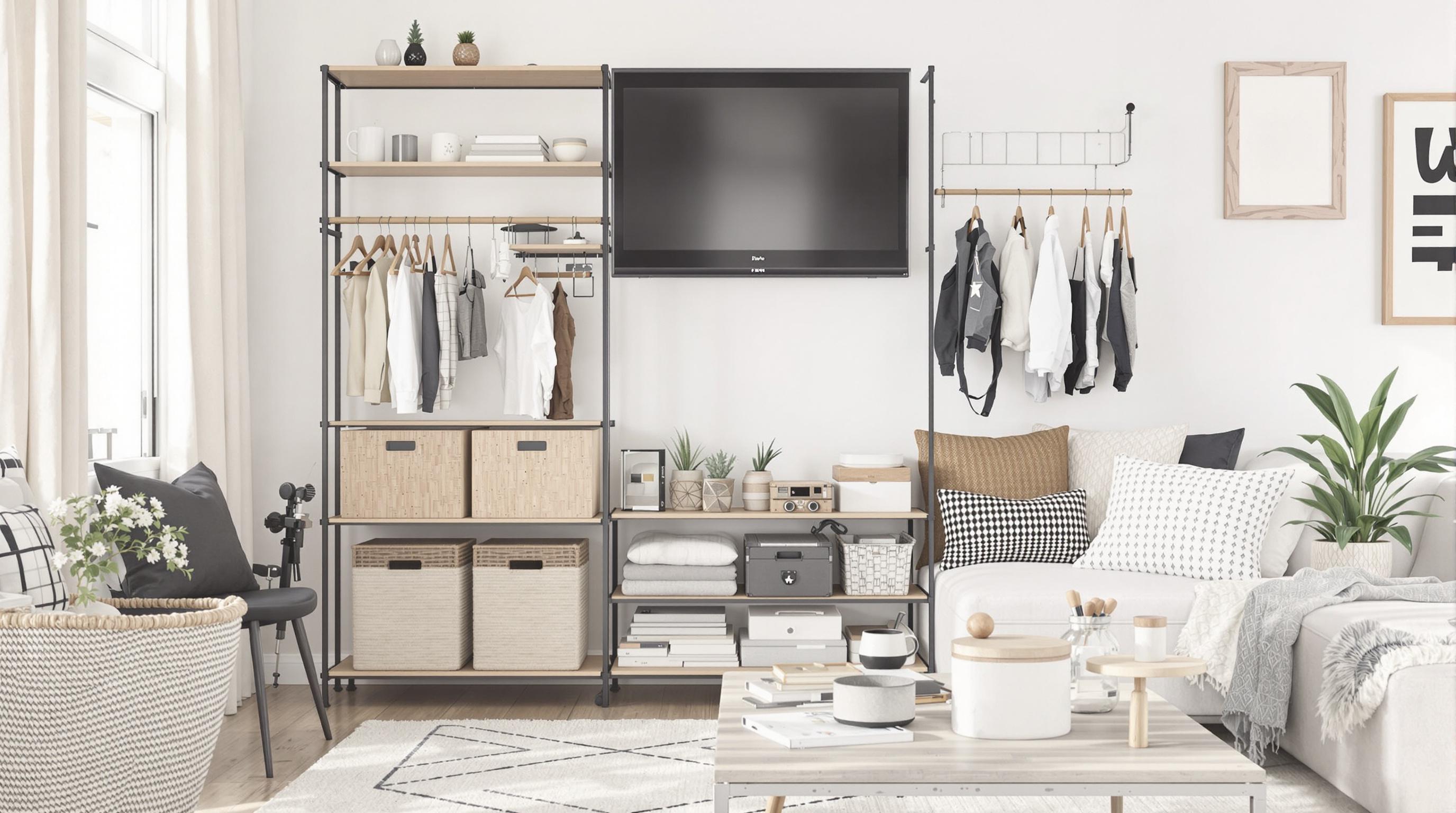
In many homes, floor space is limited while vertical space remains largely untapped. By utilizing tall shelves, wall-mounted racks, and hooks, you can maximize storage without sacrificing precious square footage. This strategy not only creates more storage options but also draws the eyes upward, enhancing the visual appeal of your rooms.
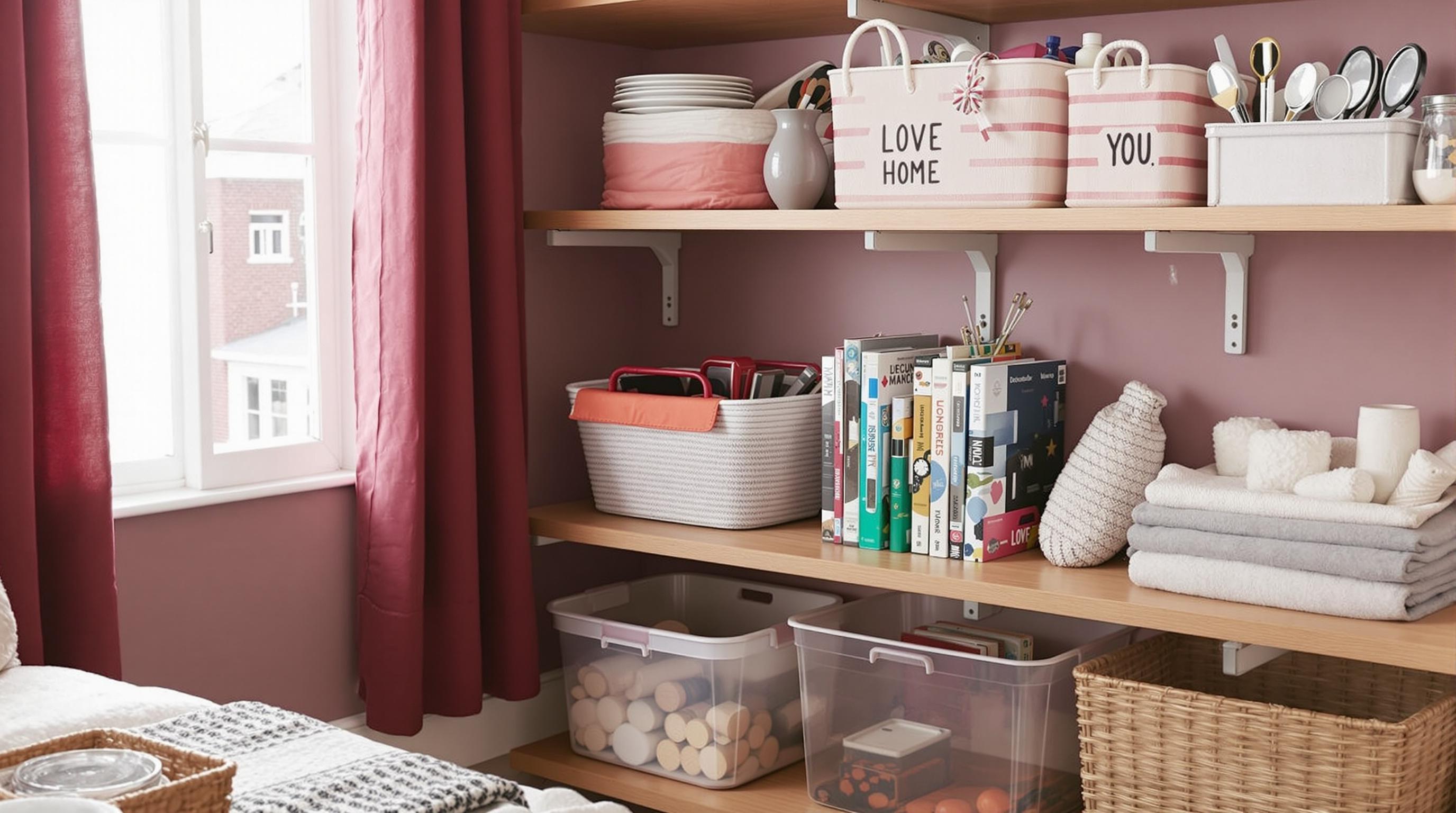
One innovative approach is to install open shelving in the kitchen or living room. These racks can display decorative items, books, or frequently used kitchenware, keeping counters clear and adding an aesthetic element to the decor. The use of vertical space also helps in maintaining organization, as everything is within reach and easy to find.
Door-mounted organizers are yet another way to utilize vertical space. Adding racks or pouches to the backs of doors can store cleaning supplies, spices, or accessories, turning unused areas into functional storage solutions.
2. Implement Zoning Techniques
Room zoning involves dividing spaces into functional areas, each with a specific purpose. This technique can help streamline organization and designate areas for distinct activities, making it easier to keep belongings in their rightful places. For example, in open-plan living areas, rugs can define separate zones for dining, lounging, and working.
To implement zoning successfully, think about the flow and usage of your spaces. This may require rearranging furniture so that each area naturally encourages its intended activity. Strategic placement of screens, bookcases, or plants can also serve as visual dividers without making the space feel cramped.
Once zones are established, dedicate storage solutions to each area. Bins for toys in the play zone or a bar cart in the dining zone can keep items tidy and easily accessible, improving both functionality and organization.
3. Use Multi-Functional Furniture
Incorporating multi-functional furniture can greatly enhance the usability of a room. Pieces like ottomans with hidden storage, convertible sofas, and expandable dining tables can serve dual purposes, reducing clutter and increasing available space. This is especially beneficial in smaller homes where every inch counts.
Furniture that adjusts to different needs encourages a dynamic environment. For instance, a coffee table that can rise to dining height allows for a relaxed meal in a living room, promoting functionality without the need for additional pieces. Consider also investing in beds with built-in drawers for maximizing bedroom storage while minimizing visible clutter.
Moreover, multi-functional furniture can be a stylish addition to your decor. Modern designs often blend aesthetics with practicality, ensuring that even functional items can enhance the overall look of your home.
4. Install Pull-Out Organizers
Pull-out organizers can revolutionize the way you store items in cabinets and closets. They provide visibility and accessibility to items that can often get lost at the back of shelves or tucked away behind other items. This organized method allows you to maximize space while keeping everything neatly contained.
In the kitchen, pull-out spice racks or utensil trays can transform cabinets into functional zones. In the bathroom, a pull-out organizer can hold toiletries or cleaning supplies, minimizing clutter on countertops. This system facilitates an easy overview of the items you have, which can lead to better inventory management.
Additionally, implementing pull-out drawers for shoes in your entryway or deep pull-out bins in your wardrobe can keep everything tidy while maintaining an inviting aesthetic. These practical installations can be customized to fit any space, enhancing both organization and style.
5. Create a Command Center
A home command center serves as the hub for family organization. Dedicating a wall or corner to a command center can be incredibly beneficial, providing a space for calendars, to-do lists, and important paperwork. This centralized area can help everyone in the household stay informed and organized.
Using a combination of bulletin boards, calendars, and storage bins for mail or school papers can drastically reduce clutter in other areas of the home. You might also think about adding hooks for keys or bags to keep everything in one place and easily accessible.
Ensure that your command center is visually appealing, using colors and designs that complement your home’s aesthetics. A well-organized command center not only increases efficiency but adds a decorative touch to your space.
6. Optimize Closet Space with Seasonal Rotation
Closets can quickly become overcrowded, making it difficult to find the items you need. One effective strategy is to engage in seasonal rotation, storing away out-of-season clothing and items to free up space. This approach can lead to more accessible storage and a less cluttered appearance.
Begin by sorting through your belongings, separating what's relevant for the current season from what can be stored away. Vacuum-sealed bags or bins can protect seasonal items from dust, moisture, and pests while keeping your closet looking tidy.
This strategy can be applied in other areas too, such as decor. Rotating artwork or decorative pillows according to the season can refresh and enhance the aesthetic of your home without requiring additional items.
7. Tailor Storage to Function
Not all items need the same type of storage solution. Tailoring storage methods to fit the specific needs of your belongings is a fantastic way to maximize efficiency and organization. This can involve utilizing different containers or systems for different items.
For example, use clear bins for crafting supplies so you can easily see what is inside, while heavier items such as tools would benefit from more robust, stackable storage. In the living room, consider stylish baskets for throw blankets, keeping them within reach while contributing to the room's decor.
Utilizing drawer dividers or specialty organizers can also ensure that small items like accessories or office supplies remain neat and easy to access. Understanding the function of each category of items can lead to more thoughtful and efficient storage solutions.
8. Design a Minimalist Home Office
With the rise of remote work, having a functional and organized home office is essential. Designing a minimalist workspace can help eliminate distractions and improve workflow. Start by decluttering the desk area, only retaining essential items to create a serene environment.
Using cable management systems can streamline your tech setup, keeping wires hidden and organized. Opt for furniture that doubles as storage, such as a desk with built-in drawers or a credenza, to keep the workspace tidy while maintaining functionality.
Incorporating elements like plants or artwork can inject personality into your home office while contributing to a pleasant atmosphere. Tailoring your office organization around a minimalist philosophy can lead to increased productivity and a more enjoyable work environment.
9. Curate Decorative Storage
Storage doesn't have to be utilitarian. By curating decorative storage solutions, you can seamlessly blend function with style. This can range from using aesthetically pleasing baskets and boxes to repurposing vintage items like suitcases or trunks as storage solutions that double as decor.
Displaying items you cherish in open storage can add personality to your home, while still keeping things organized. For instance, using an attractive bookcase to showcase books, plants, and collectibles lets you express your interests while also being functional.
By choosing decorative pieces that complement your home’s aesthetic, you can create a cohesive look while maximizing storage. This strategy promotes a visually pleasing environment that doesn’t sacrifice organization.
10. Establish a Routine for Maintenance
Lastly, implementing a routine for maintenance is crucial to ensuring that your organizational efforts remain effective over time. Designate specific times each week to tidy up, reassess your organization systems, and put items back in their designated places.
Involving all family members in this process can turn it into a collaborative effort, making it easier to maintain an organized home. Consider setting up a “reset” day each week, where everyone spends a few moments correcting any disorganization that has occurred.
An effective maintenance routine not only keeps your spaces looking their best but also fosters habits that support ongoing organization in the future. By making tidying a regular practice, you can enjoy a more functional and aesthetically pleasing home.
Read More