Related Articles
- Cultivating Chaos: The Surprising Benefits of Disorder in Sustainable Community Movements
- The Silent Revolution: How Micro-Communities Challenge the Norms of Eco-Conscious Governance
- Rethinking Romance: The Unexpected Impact of Sustainable Love Stories on Community Commitment
- Invisible Workspaces: How the Arrangement of Unseen Elements Shapes Your Daily Workflow and Mental Clarity
- The Hidden Costs of Clutter: How Excess Items in Your Workspace Affect Your Wallet and Well-Being
- Unlocking Creativity: The Unexpected Benefits of Furniture Arrangement on Your Daily Workflow at Home
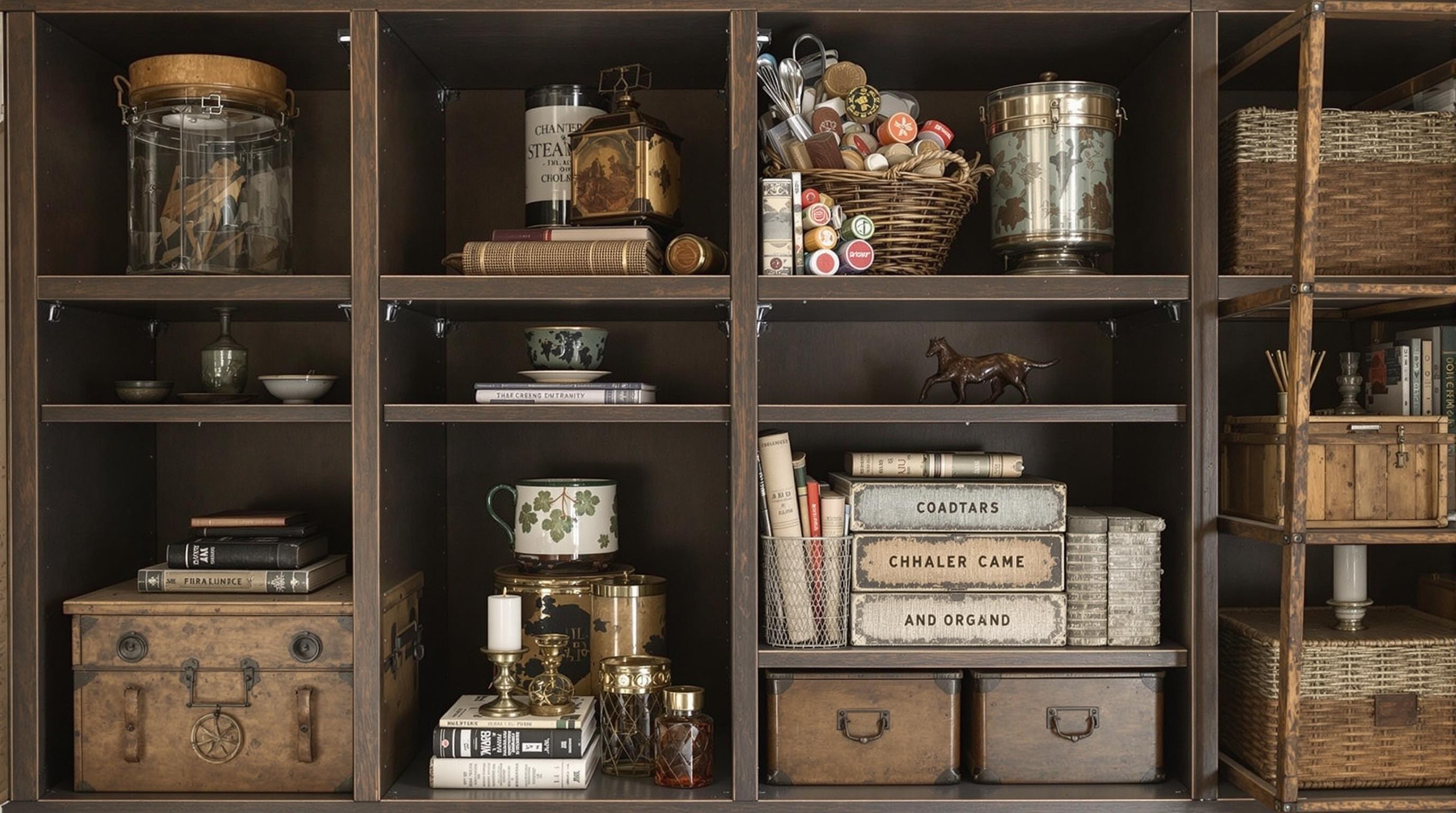
10 Antique Storage Techniques: Rediscovering Forgotten Methods That Can Elevate Modern Organization and Aesthetic Appeal
10 Antique Storage Techniques: Rediscovering Forgotten Methods That Can Elevate Modern Organization and Aesthetic Appeal
10 Antique Storage Techniques: Rediscovering Forgotten Methods That Can Elevate Modern Organization and Aesthetic Appeal
1. Trunks and Chests
In the 19th century, trunks and chests served dual purposes: as furniture and storage solutions. These substantial wooden pieces often featured intricate carvings and steel hardware, making them both functional and aesthetically pleasing.
Using vintage trunks can add character to a room while also offering ample storage space for blankets, books, or off-season clothing. Their sturdy construction ensures durability, and they can be placed at the foot of a bed or in a living area as a coffee table.
By bringing trunks into modern homes, we not only reclaim their original functionality but also invite a sense of history and nostalgia into our living spaces.
2. Apothecary Cabinets
Apothecary cabinets were originally designed for storing herbs and medicinal supplies, often equipped with numerous small drawers. This meticulous organization allows for easy access and is ideal for those with a penchant for detail-oriented storage.
In contemporary contexts, these cabinets can be repurposed for everything from craft supplies to kitchen spices. Their small compartments can effectively segregate items, making organization straightforward while maintaining a charming aesthetic.
The intricate designs and vintage appeal of apothecary cabinets can serve as stunning focal points in a room, marrying functionality with decorative allure.
3. Ladder Shelves
Historically used for accessing higher storage areas, ladders are now repurposed as stylish shelving units. This innovative use of space optimizes vertical square footage, a critical consideration in modern design.
Setting a ladder against a wall allows for a cascading shelf effect, perfect for displaying books, plants, and decorative items. This method not only maximizes storage but also brings a unique element to the decor of any room.
Incorporating ladder shelves offers a rustic charm and creates an inviting atmosphere while providing practical organization without the bulk of traditional shelving units.
4. Mason Jars
Mason jars were initially created for food preservation, but their versatility has allowed them to flourish as storage solutions for an array of items. They can be used to organize everything from dry goods in the pantry to bathroom essentials like cotton balls and swabs.
The transparent nature of mason jars provides a visual appeal while allowing for easy identification of contents. Additionally, they can be customized with labels, paint, or comprehensive shelving arrangements for a personalized touch.
Using mason jars in modern organization not only adds a vintage flair but also promotes sustainability by repurposing glass containers rather than opting for plastic alternatives.
5. Hope Chests
Hope chests, or dowry chests, have long been a tradition in many cultures as a way for young women to store items in anticipation of marriage. These beautifully crafted boxes are often adorned with intricate details and serve as a sentimental reminder of the past.
In contemporary settings, hope chests can serve as functional storage for sentimental items, linens, or children's keepsakes. Their carefully designed exteriors transform them into stylish furniture pieces that fit seamlessly within most decor styles.
Bringing hope chests into your home provides both charm and purpose, serving as a conversation starter while fulfilling modern storage needs.
6. Wagon Wheels
Once a staple of transport in rural settings, wagon wheels can be creatively used as decorative storage solutions in modern homes. When mounted on walls, they can serve as shelving for photos or small plants, offering an imaginative twist to typical shelving options.
The rustic allure of wagon wheels infuses a sense of authenticity and warmth into spaces, particularly in country or farmhouse aesthetics. They encompass a narrative of history while contributing to organizational functions.
This technique encourages ingenuity and reflects a commitment to maintaining a connection with heritage, all while enhancing the aesthetic appeal of a room.
7. Vintage Suitcases
Suitcases once accompanied travelers on journeys far and wide but have found a second life as charming storage solutions. Their variety of sizes and designs can cater to different storage needs, from clothing to toys.
Stacking vintage suitcases creates a sophisticated display while providing easy access to items hidden within. They add a pop of character to a space and can even serve to enhance a travel-themed decor concept.
Using vintage suitcases for storage can inspire future travel stories and memories, intertwining organization with the rich narratives they carry.
8. Cubby Shelves
Cubby shelves originated as a simple way to organize smaller items, especially in schools and workspaces. Their compartmentalized design allows for easy access and is perfect for decluttering spaces.
In a modern context, cubbies can be creatively used to organize children's toys, craft supplies, or even as a bookcase. Their modular characteristics further promote customization according to one’s specific needs.
Incorporating cubby shelves into home organization instills practicality while enabling an aesthetic that celebrates order and simplicity.
9. Spice Racks
Historically, spice racks provided a visually appealing way to store essential kitchen ingredients, simplifying their use in daily cooking. These racks can significantly add functionality and aesthetics simultaneously.
Modern adaptations of spice racks can suit any kitchen's theme, transforming cluttered countertops into organized displays. Glass or wooden options provide rustic to sleek finishes that fit various styles.
By utilizing antique-inspired spice racks, the organization becomes an art form that seamlessly marries functionality with design, inviting creativity into culinary spaces.
10. Woven Baskets
Woven baskets have been used for centuries for storage and transportation. Their breathable material is ideal for holding items while still allowing airflow, making them perfect for storing linens or out-of-season clothing.
These baskets come in various materials and weaves, providing an eclectic and inviting aesthetic. They can easily integrate into any room, from living areas to bathrooms, contributing to the organization while enhancing a cozy atmosphere.
Bringing woven baskets into modern organization practices is not only practical but also celebrates craftsmanship and tradition, inviting a unique texture to contemporary decor.
Read More