
Related Articles
- Cultivating Chaos: The Surprising Benefits of Disorder in Sustainable Community Movements
- The Silent Revolution: How Micro-Communities Challenge the Norms of Eco-Conscious Governance
- Rethinking Romance: The Unexpected Impact of Sustainable Love Stories on Community Commitment
- Invisible Workspaces: How the Arrangement of Unseen Elements Shapes Your Daily Workflow and Mental Clarity
- The Hidden Costs of Clutter: How Excess Items in Your Workspace Affect Your Wallet and Well-Being
- Unlocking Creativity: The Unexpected Benefits of Furniture Arrangement on Your Daily Workflow at Home
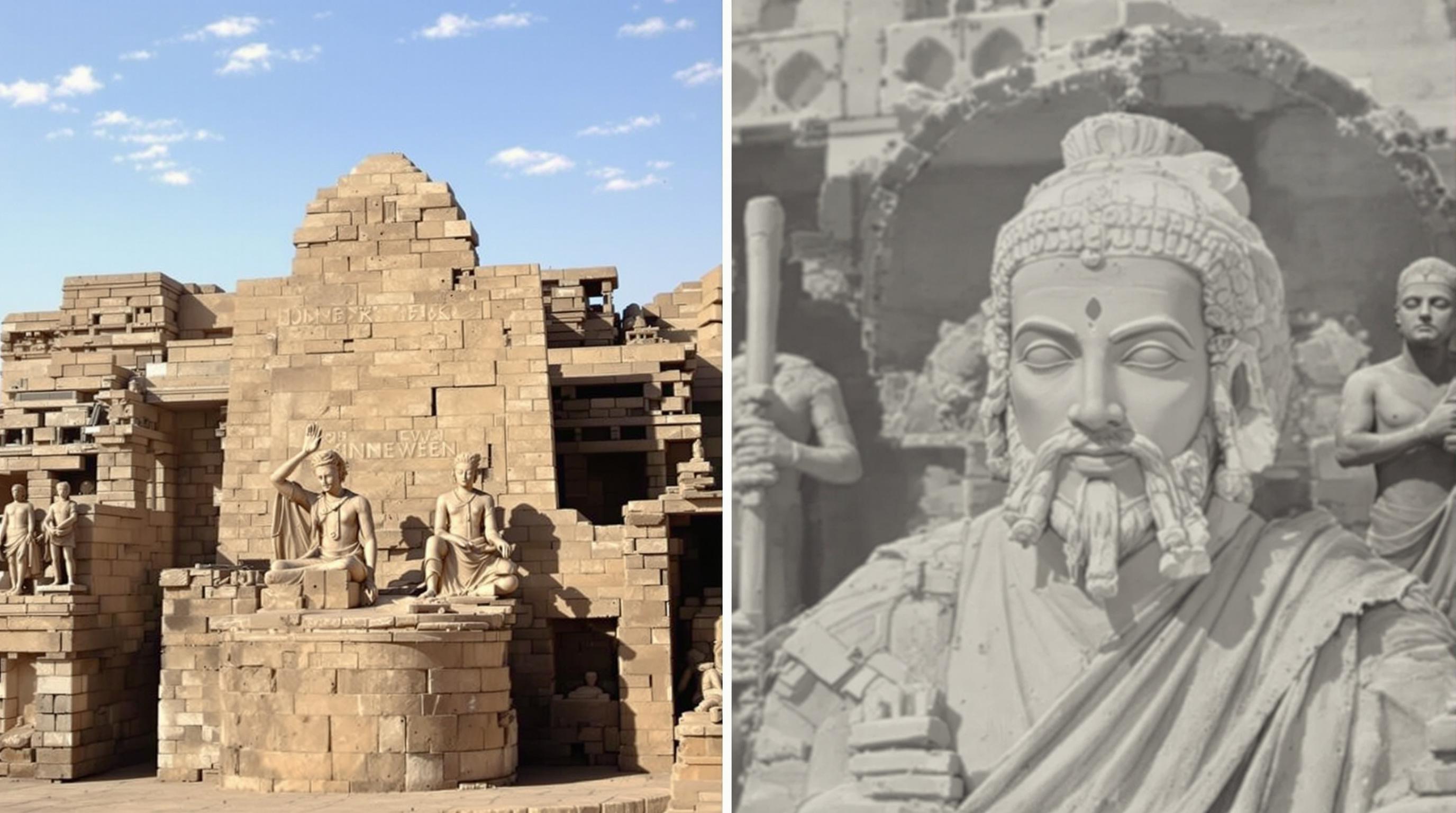
13 Surprising Insights from Ancient Cultures: How Minimalist Living Can Revive Timeless Wisdom for Modern Challenges
13 Surprising Insights from Ancient Cultures: How Minimalist Living Can Revive Timeless Wisdom for Modern Challenges
13 Surprising Insights from Ancient Cultures
In an era dominated by consumerism and clutter, many are looking back to ancient cultures for wisdom on living gracefully and meaningfully with less. Minimalism isn’t merely a modern trend; it embodies timeless principles that have enabled civilizations to thrive for centuries. The following insights reveal how embracing a minimalist lifestyle can help us tackle contemporary challenges while resonating with the wisdom of our ancestors.
By adopting the minimalist philosophies of those who came before us, we can move beyond the overwhelm of the 21st century and reconnect with what truly matters. Ancient cultures, ranging from the Stoics of Greece to the Indigenous peoples of North America, offer valuable lessons on simplicity, mindfulness, and sustainable living. Let’s explore these insights and how they can be applied to our modern lives.
Through research, interviews, and firsthand experiences, we delve into 13 insights that can inspire your journey towards a minimalist lifestyle influenced by age-old wisdom. From decluttering our thoughts to simplifying our living spaces, these age-old teachings could serve as a personal compass in our fast-paced world.
1. The Art of Letting Go
Ancient cultures understood the value of letting go. In Buddhism, the concept of non-attachment teaches that clinging to possessions or desires can lead to suffering. By recognizing the impermanent nature of material things, individuals can achieve a sense of peace and contentment.
Similarly, the Native American philosophy of interconnectedness encourages people to release their attachment to ownership. They viewed the land and its resources as shared gifts rather than personal possessions, fostering a mindset of stewardship rather than ownership.
Incorporating the art of letting go into our modern lives can alleviate stress and foster emotional resilience. By decluttering both physical and emotional spaces, we create room for personal growth and deeper connections with others.
2. Mindfulness in Daily Living
Mindfulness, deeply rooted in ancient practices such as meditation and yoga, emphasizes the importance of being present. The Stoics of ancient Greece advocated for awareness and acceptance of the present moment as a means to reduce anxiety and improve decision-making.
Practicing daily mindfulness enhances our ability to appreciate simple pleasures, from a warm cup of tea to a quiet moment in nature. By focusing on the present, we can break the cycle of overconsumption driven by distraction and discontent.
Incorporating mindfulness into our routines can lead to a more intentional way of living. By engaging fully in our daily activities, we can find fulfillment in simplicity and elevate our overall well-being.
3. Nature as a Teacher
Ancient cultures revered nature as a source of wisdom and balance. The Indigenous peoples of various regions taught that a deep connection to the earth leads to a harmonious lifestyle. Observing natural cycles fosters a sense of gratitude and respect for resources.
Incorporating rituals that honor nature, such as seasonal changes and harvest festivals, can inspire us to cultivate a sustainable mindset. We learn that power lies not in accumulation but in understanding our relationship with the environment.
By reconnecting with nature, we not only reduce our environmental footprint but also gain insights into living a simpler, more rewarding life. Rethinking our relationship with nature can help us value experiences over material possessions.
4. Simplicity in Design
The minimalist architecture of ancient civilizations emphasizes functionality and simplicity. The Greeks, Romans, and Japanese civilizations focused on creating spaces that served their inhabitants without excess ornamentation, promoting a sense of calm and purpose.
Modern minimalist design trends follow suit by emphasizing clean lines and open spaces. Embracing this architectural wisdom can help reduce clutter, both physically and mentally, creating environments that foster peace and creativity.
Applying these design principles in our homes can transform our living spaces into sanctuaries. By carefully curating what we allow inside, we can cultivate an atmosphere conducive to simplicity and mindfulness.
5. Community Over Individualism
Many ancient cultures thrived on community and collaboration rather than individual success. The communal living models found in Native American tribes, as well as in African cultures, highlight the importance of shared resources and communal responsibilities.
In a world often fixated on individualism, returning to a community-focused mindset fosters connection and support. Sharing resources, skills, and experiences can lead to reduced consumption and a greater sense of belonging.
Building community can be a powerful antidote to the loneliness and anxiety that often accompany modern living. By prioritizing shared experiences, we can enrich our lives while living more simply.
6. The Power of Rituals
Rituals, practiced across civilizations, are vital for creating meaning in life. From Indigenous earth ceremonies to the morning rituals of ancient Romans, these traditions connect individuals to their culture, community, and self.
Establishing modern rituals—whether they are related to daily mindfulness practices, shared meals, or seasonal celebrations—can ground us in our values and enhance our appreciation for life. Rituals anchor us in a fast-paced world, helping us savor small moments.
Integrating simple rituals into our routines can foster a sense of stability, offering respite amidst challenges. By honoring various aspects of our lives, we reinforce our commitment to living simply and meaningfully.
7. Embracing Imperfection
Ancient philosophies often embraced the concept of imperfection as a vital aspect of existence. The Japanese aesthetic of wabi-sabi celebrates beauty in imperfection, reminding us that flawlessness is not the ultimate goal.
Understanding that striving for perfection can lead to dissatisfaction encourages us to accept and appreciate life as it is. This perspective liberates us from the burdens of comparison and competition, fostering a deeper sense of contentment.
By embracing imperfection, we can simplify our expectations and focus on enjoying the journey rather than achieving unattainable standards. This mindset shift transforms our approach to life, leading to greater fulfillment.
8. Sustainability as a Lifestyle
Many ancient societies practiced sustainability long before it became a buzzword. Agriculture in ancient Mesopotamia and the permaculture practices of Indigenous tribes illustrate a deep understanding of sustainable living that honored the earth and its resources.
Modern minimalism echoes these principles, promoting sustainable choices that reduce waste and environmental impact. Adopting a sustainable mindset encourages us to think critically about consumption, focusing on quality over quantity.
By understanding sustainability as a lifestyle rather than a trend, we can embrace practices that honor the earth and nurture ourselves, cultivating a regenerative relationship with our environment.
9. The Value of Silence
Silence was revered in many ancient cultures as a form of wisdom. The Greek philosopher Socrates emphasized the importance of inward reflection, advocating for silence to facilitate understanding and personal growth.
In a world bombarded by noise and distractions, carving out silence allows us to connect with our inner selves and gain clarity on our values and desires. This practice fosters self-awareness and enhances our decision-making capabilities.
Integrating periods of silence into our daily routines can lead to a more focused and intentional life. By prioritizing silence, we allow ourselves to recharge, reflect, and rejuvenate, ultimately supporting our journey toward minimalism.
10. Gratitude as a Way of Life
Gratitude is a practice deeply interwoven into ancient cultures. Indigenous rituals often involve expressing thanks for the earth's gifts, while the ancient Greeks celebrated gratitude in their philosophy and mythology.
Adopting a gratitude practice can shift our perspective from what we lack to appreciating what we have. This acknowledgment nurtures a sense of abundance, reducing the desire for excess and fostering a minimalist attitude.
Incorporating gratitude into our daily lives simplifies our stress and enhances our happiness. By focusing on gratitude, we can cultivate contentment and encourage a more meaningful relationship with what surrounds us.
In conclusion, the wisdom of ancient cultures offers invaluable insights into the practice of minimalist living. By learning from their approaches to simplicity, mindfulness, and sustainability, we can navigate modern challenges with greater resilience and purpose. Embracing these time-honored teachings can guide us toward a more authentic and fulfilling life.
Read More